Table of contents
Table of Contents
How Does a Compost Bin Help You Turn Daily Waste Into a Sustainable Lifestyle?
Introduction: Why Is Food Waste Still a Problem in Modern Homes?
Have you ever stopped to think about how much food waste your household produces every single day? Vegetable peels, coffee grounds, leftover meals, and expired groceries often end up in trash bags, eventually filling landfills and contributing to environmental pollution. Despite growing awareness around sustainability, many homes still struggle to manage organic waste in a practical and clean way.
This is where a Compost Bin becomes more than just a container—it becomes a lifestyle upgrade. Designed to transform everyday kitchen scraps into nutrient-rich compost, a Compost Bin helps reduce waste, eliminate odors, and promote eco-friendly living without complicating your routine.
With an impressive 99,994 ratings on Amazon, the Compost Bin has gained massive trust among homeowners, gardeners, and sustainability enthusiasts alike. Its popularity is not accidental—it reflects how effectively this simple product solves a real problem while fitting seamlessly into modern homes.
In this in-depth guide, you’ll discover how a Compost Bin works, why it matters, and how it can elevate your daily life while supporting a greener planet.
What Is a Compost Bin?
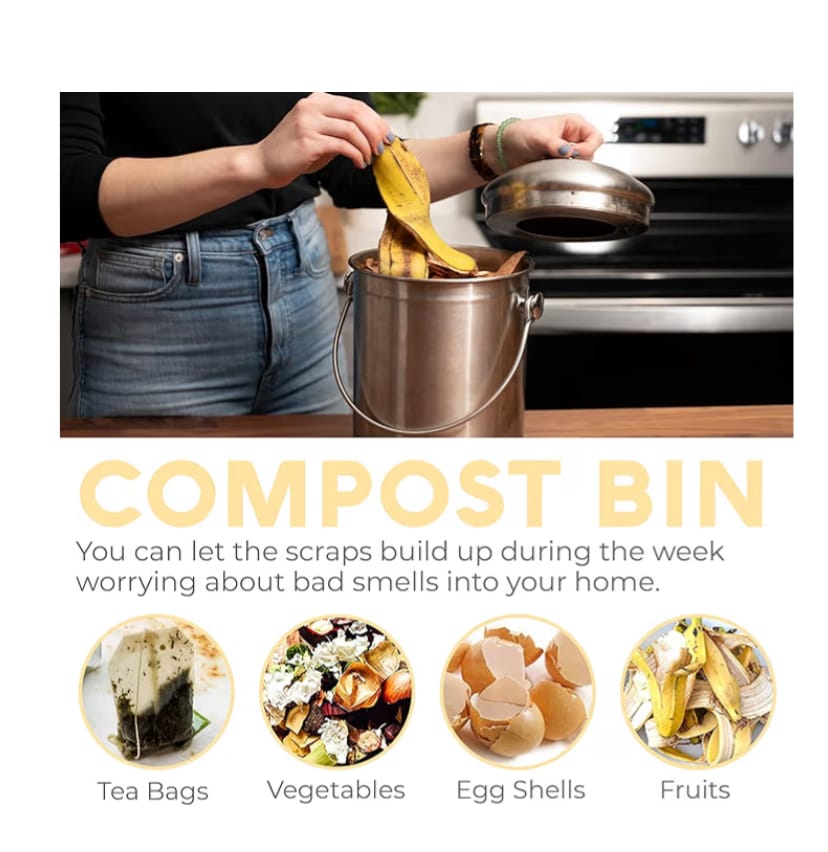
A Compost Bin is a specially designed container used to collect and decompose organic waste such as food scraps, fruit peels, vegetable remains, coffee grounds, and garden waste. Instead of sending this organic matter to landfills, a Compost Bin allows it to naturally break down into compost—a rich, soil-like material packed with nutrients.
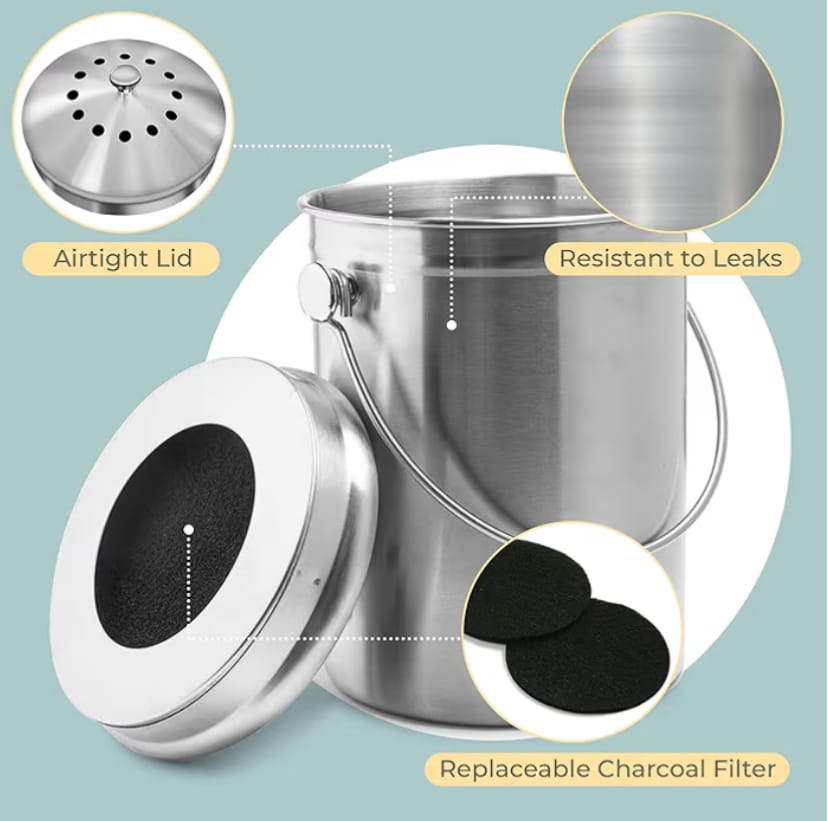
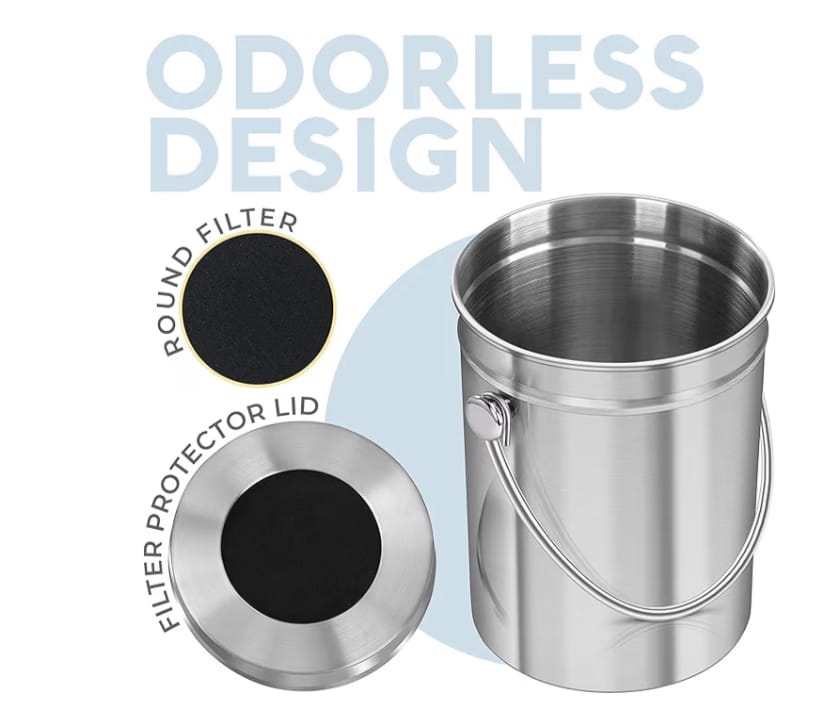
Unlike regular trash bins, Compost Bins are engineered to support airflow, moisture balance, and proper decomposition. Many modern Compost Bins include features such as charcoal filters, airtight lids, and durable materials that prevent unpleasant odors while keeping pests away.
Using a Compost Bin is surprisingly simple. Organic waste is added daily, layered properly, and allowed to decompose over time. Depending on the type of bin and conditions, compost can be ready in weeks or months. The result is a natural fertilizer that improves soil quality for gardens, indoor plants, and landscaping.
Today’s Compost Bins are designed for convenience. Whether placed under the sink, on a countertop, or in the backyard, they blend functionality with modern aesthetics. This makes composting accessible even for people living in apartments or small homes.
In short, a Compost Bin is not just a waste container—it’s a smart tool for turning everyday leftovers into long-term value.
Key Features of the Compost Bin
What makes a Compost Bin stand out is the thoughtful design that supports cleanliness, efficiency, and ease of use. Below are the most important features that have contributed to its outstanding reputation and nearly 100,000 positive Amazon ratings.
• Odor-Control Technology
Most high-quality Compost Bins are equipped with built-in charcoal or carbon filters. These filters trap unpleasant odors, allowing you to compost indoors without worrying about smells spreading through your kitchen.
• Durable and Eco-Friendly Materials
Compost Bins are typically made from stainless steel, recycled plastic, or heavy-duty BPA-free materials. These materials ensure long-lasting use while aligning with environmentally responsible values.
• Compact Yet Spacious Design
Despite their compact appearance, Compost Bins are designed to hold several days’ worth of organic waste. This balance makes them ideal for daily use without frequent emptying.
• Easy Cleaning and Maintenance
Smooth interior surfaces and removable liners make cleaning quick and hassle-free. Many Compost Bins are dishwasher-safe, saving time and effort.
• Pest-Resistant Construction
Tight-fitting lids and sealed designs prevent insects and pests from accessing food scraps, making indoor composting clean and hygienic.
• Stylish Appearance
Modern Compost Bins are designed to complement contemporary kitchens. Their sleek look allows them to sit openly on countertops without looking like a traditional waste container.
These features collectively explain why the Compost Bin has become a trusted household essential for anyone serious about reducing waste and living sustainably.
Compost Bin Features and Practical Usage Guide
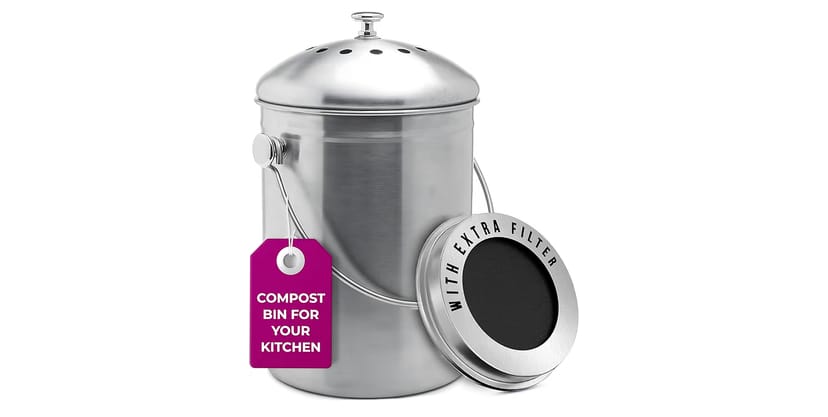
Compost Bin Features That Make Everyday Composting Effortless
One of the main reasons behind the massive popularity of the Compost Bin—with over 99,994 ratings on Amazon—is how thoughtfully it is designed for real-life use. It doesn’t just help reduce waste; it makes the entire composting process simple, clean, and stress-free.
- Advanced Ventilation System: Proper airflow is essential for healthy composting. The Compost Bin is designed to maintain optimal air circulation, which accelerates decomposition while preventing mold buildup.
- Secure Lid Mechanism: The tightly sealed lid ensures that odors stay trapped inside while still allowing enough oxygen for organic matter to break down efficiently.
- Lightweight and Portable: Despite its solid build, the Compost Bin is easy to carry. This makes transferring compost to outdoor gardens or larger bins quick and convenient.
- Indoor and Outdoor Compatibility: Whether you live in an apartment or a house with a backyard, the Compost Bin adapts effortlessly to both indoor and outdoor environments.
- Long-Term Cost Savings: By converting organic waste into fertilizer, users reduce the need to buy expensive soil enhancers and chemical fertilizers.
- Environmentally Responsible Design: Every Compost Bin contributes to lowering landfill waste and reducing greenhouse gas emissions, making it an eco-conscious investment.
These features turn composting from a chore into a habit that fits naturally into your daily routine.
Practical Guide: How to Start Using a Compost Bin Step by Step
Getting started with a Compost Bin doesn’t require special skills or prior experience. With a few simple steps, you can begin transforming kitchen waste into valuable compost from day one.
Step 1: Choose the Right Location
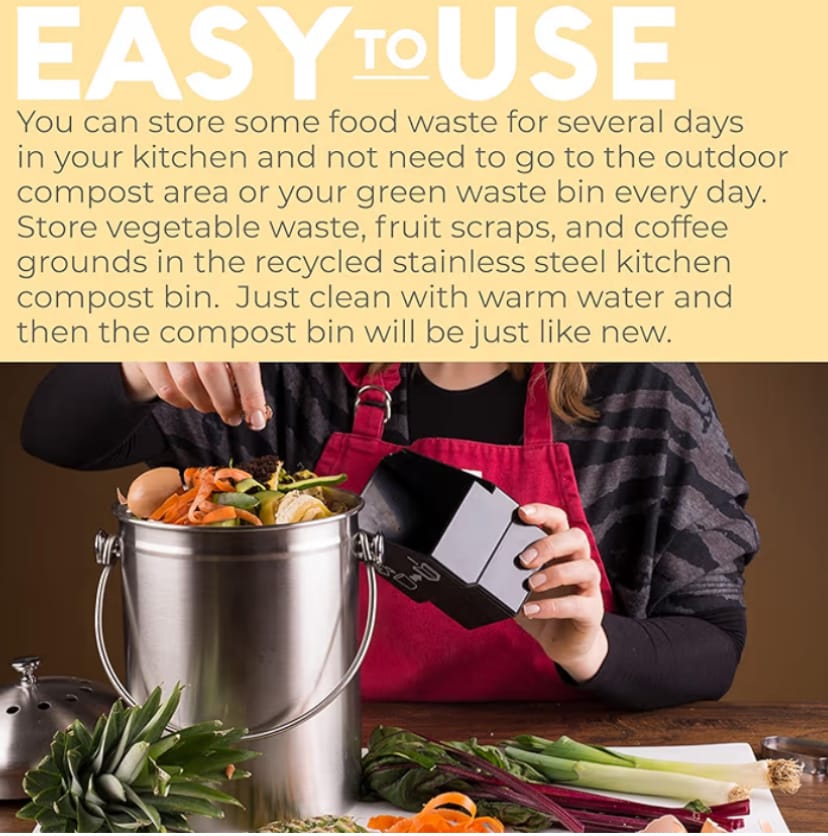
Place your Compost Bin in a convenient location such as under the kitchen sink, on the countertop, or near your food preparation area. Easy access encourages consistent use.
Step 2: Start with a Base Layer
Begin by adding a base layer of dry materials such as shredded paper, cardboard, or dried leaves. This layer absorbs moisture and promotes airflow.
Step 3: Add Organic Waste Daily
Add fruit peels, vegetable scraps, eggshells, coffee grounds, and leftover plant-based foods. Avoid adding meat, dairy, or oily foods unless the bin specifically supports them.
Step 4: Balance Green and Brown Materials
A healthy compost requires a balance between “green” materials (food scraps) and “brown” materials (paper, leaves). This balance prevents odor and speeds up decomposition.
Step 5: Mix Occasionally
Stir or rotate the contents every few days using a compost tool or spoon. Mixing introduces oxygen and helps break down waste evenly.
Step 6: Monitor Moisture Levels
Compost should be slightly damp—not wet. If it becomes too moist, add dry materials. If too dry, add a small amount of water.
Step 7: Transfer Finished Compost
Once the compost turns dark, crumbly, and soil-like, it’s ready to be used in gardens, pots, or indoor plants.
Can a Compost Bin Be Integrated with Smart Home or Other Tools?
While the Compost Bin itself does not require electricity or digital controls, it integrates seamlessly into smart and eco-friendly households.
Many users pair their Compost Bin with kitchen waste tracking apps to monitor how much waste they divert from landfills. Others combine it with smart gardening systems, using the compost as a natural input for automated irrigation setups.
When used alongside smart trash cans, food planning apps, and sustainable kitchen tools, the Compost Bin becomes part of a holistic eco-living system that saves time, reduces waste, and promotes healthier habits.
Daily Life Benefits and Real User Experiences with Compost Bin
How Does a Compost Bin Improve Daily Home Life?
Using a Compost Bin goes far beyond managing food scraps. It introduces a meaningful shift in how households interact with waste, sustainability, and daily routines. With nearly 99,994 Amazon ratings, it’s clear that users experience real, practical benefits.
1. Reduces Household Waste Instantly
One of the most noticeable changes after using a Compost Bin is the dramatic reduction in trash volume. Organic waste that once filled garbage bags is now redirected into composting, leading to fewer trash runs and cleaner bins.
2. Creates a Cleaner and Odor-Free Kitchen
Unlike traditional trash cans, Compost Bins are designed with odor-control filters and sealed lids. This means food scraps can be stored safely for days without unpleasant smells, even in small apartments.
3. Saves Time and Energy
By separating organic waste at the source, users spend less time sorting garbage and cleaning messy trash bins. Composting becomes part of the cooking routine rather than an extra task.
4. Supports Sustainable Living Without Effort
Many people want to live more sustainably but feel overwhelmed by complex systems. The Compost Bin removes that barrier by offering a simple, low-maintenance way to reduce environmental impact daily.
5. Produces Natural Fertilizer at Home
Finished compost enriches soil naturally, improving plant growth without chemicals. Whether for houseplants, gardens, or balconies, compost adds long-term value to the home.
6. Encourages Eco-Friendly Habits for the Whole Family
Composting is a visible and educational practice. Families often find that children become more conscious of food waste, recycling, and environmental responsibility.
7. Enhances Mental Satisfaction and Purpose
Many users report a sense of fulfillment from knowing they’re reducing waste and contributing positively to the planet. Small actions like composting can significantly improve daily well-being.
Real-Life Stories and User Experiences with Compost Bin
The success of the Compost Bin is best illustrated through the experiences of those who use it every day. Below are a few real and realistic scenarios shared by satisfied users.
Emma – Apartment Living Made Sustainable
Emma lives in a small city apartment and believed composting was impossible without a backyard. After purchasing a Compost Bin, she began collecting vegetable scraps on her countertop without odors. Within weeks, she noticed how much less trash she produced and started sharing compost with a local community garden.
Daniel – A Cleaner Kitchen and Healthier Garden
Daniel, a home cook and gardening enthusiast, uses his Compost Bin daily. He appreciates the easy-clean design and odor control, and he now fertilizes his backyard garden exclusively with homemade compost.
Sophia – Teaching Sustainability to Kids
Sophia introduced composting to her household as an educational tool. Her children help separate waste and monitor compost progress, turning an everyday product into a valuable learning experience.
These stories reflect a common theme: the Compost Bin doesn’t just manage waste—it transforms habits, homes, and perspectives on sustainability.
Smart Tips, Common Mistakes, and Compost Bin Comparisons
Top 5 Expert Tips for Using a Compost Bin Effectively
To get the maximum value from your Compost Bin, it’s important to follow proven composting practices. These expert tips are based on real user experiences and sustainable living guidelines.
1. Always Maintain a Balanced Mix
Balance is key to successful composting. Combine green waste (food scraps) with brown waste (paper, cardboard, dry leaves) to prevent odors and speed up decomposition.
2. Cut Scraps into Smaller Pieces
Smaller food pieces break down faster. Chopping scraps before placing them in the Compost Bin helps microorganisms work more efficiently.
3. Empty the Bin Regularly
Even with excellent odor control, regular emptying ensures freshness and maintains hygiene, especially for indoor compost bins.
4. Replace Charcoal Filters on Time
Charcoal filters lose effectiveness over time. Replacing them every few months ensures continued odor control and better air quality.
5. Keep the Compost Slightly Moist
Compost should feel like a damp sponge. If it’s too dry or too wet, decomposition slows down.
Common Compost Bin Mistakes and How to Avoid Them
While a Compost Bin is easy to use, beginners often make small mistakes that affect performance. Understanding these issues helps ensure long-term success.
Adding the Wrong Types of Waste
One of the most common mistakes is adding meat, dairy, or oily foods. These materials can attract pests and create strong odors. Stick to plant-based scraps unless your Compost Bin supports otherwise.
Ignoring Airflow
Compost needs oxygen. Never compress waste tightly, and mix contents regularly to encourage airflow.
Too Much Moisture
Excess moisture causes unpleasant smells. If compost becomes wet, add dry brown materials immediately.
Inconsistent Use
Composting works best when it’s part of a routine. Inconsistent use can slow down decomposition.
Innovative Ideas to Integrate a Compost Bin with Other Products
The Compost Bin can become a central part of a smart and eco-conscious home when paired with complementary tools and systems.
Kitchen Organization Systems
Combine your Compost Bin with pull-out cabinet organizers to streamline waste separation and improve kitchen workflow.
Smart Gardening Kits
Use finished compost with automated irrigation systems or smart plant sensors for optimal plant care.
Meal Planning Apps
Track food waste using meal planning apps to reduce over-purchasing and increase compost efficiency.
Outdoor Compost Expansion
Transfer indoor compost to larger outdoor bins for faster processing and higher compost volume.
Compost Bin vs. Traditional Plastic Compost Containers
To understand the true value of a modern Compost Bin, it’s helpful to compare it with traditional plastic compost containers.
| Feature | Compost Bin | Traditional Plastic Bin |
|---|---|---|
| Odor Control | Advanced charcoal filters | Limited or none |
| Design | Modern, kitchen-friendly | Basic, utilitarian |
| Durability | High-quality materials | Low to medium |
| Ease of Cleaning | Very easy | Moderate |
| Amazon Rating | 99,994 ratings | Varies widely |
| Price Range | Mid-range, high value | Low initial cost |
While traditional bins may appear cheaper initially, the Compost Bin delivers superior performance, hygiene, and long-term value.
Compost Bin Specifications, FAQs, and Final Call to Action
Compost Bin Specifications and Key Details
Understanding the core specifications of a Compost Bin helps users choose the right solution for their household. The following table summarizes the most important practical and technical aspects that define its performance and usability.
| Specification | Details |
|---|---|
| Product Type | Indoor / Outdoor Compost Bin |
| Material | Stainless Steel or BPA-Free Durable Plastic |
| Odor Control | Built-in Charcoal Filter System |
| Capacity | Suitable for 2–5 days of household organic waste |
| Maintenance | Easy to clean, removable inner bucket |
| Placement | Countertop, under-sink, balcony, or backyard |
| Amazon Rating | 99,994 ratings |
| Best For | Eco-conscious homes, apartments, gardens |
These specifications demonstrate why the Compost Bin delivers reliability, convenience, and long-term value for daily composting needs.
Ready to Upgrade Your Home? Get the Compost Bin Today
If you’re ready to reduce waste, keep your kitchen clean, and embrace sustainable living, the Compost Bin is the perfect place to start. With nearly 99,994 positive ratings on Amazon, it’s a trusted choice for thousands of households worldwide.
Get the Compost Bin now on Amazon and start your eco-friendly journey today!
Don’t miss the opportunity to improve your home using the Compost Bin. Buy it now through the link above and experience cleaner living, smarter habits, and long-term savings.
Frequently Asked Questions About Compost Bin
Is a Compost Bin suitable for apartments?
Yes, modern Compost Bins are specifically designed for indoor use. Their odor-control filters and compact size make them ideal for apartments and small kitchens.
Does the Compost Bin smell?
When used correctly, the Compost Bin does not produce unpleasant odors. The charcoal filter system traps smells effectively, even with daily use.
What food waste can I put inside?
You can add fruit peels, vegetable scraps, coffee grounds, eggshells, and plant-based leftovers. Avoid meat, dairy, and oily foods unless the bin supports them.
How often should I empty the Compost Bin?
Most users empty their Compost Bin every 2–5 days, depending on usage and household size.
Is composting difficult for beginners?
Not at all. The Compost Bin is beginner-friendly and requires minimal effort. With simple habits, anyone can compost successfully.
Final Thoughts: Why Compost Bin Is a Smart Investment for Your Home
The Compost Bin proves that sustainable living doesn’t have to be complicated. By transforming everyday food waste into valuable compost, it helps households reduce trash, improve cleanliness, and contribute to a healthier planet.
With thoughtful design, powerful odor control, and nearly 99,994 Amazon ratings, the Compost Bin stands out as a reliable, long-term solution for eco-conscious homes.
In upcoming articles, we’ll explore complementary products such as smart gardening tools, biodegradable compost liners, and sustainable kitchen accessories that pair perfectly with your Compost Bin.
Explore more, live greener, and take the first step toward a smarter home—starting today.
Related articles
Sustainable kitchen tools: Bamboo Cutting Board Set 2025
How Can Glass Storage Containers Help You Create a Healthier and More Organized Kitchen2025?