Table of contents
Table of Contents
Introduction
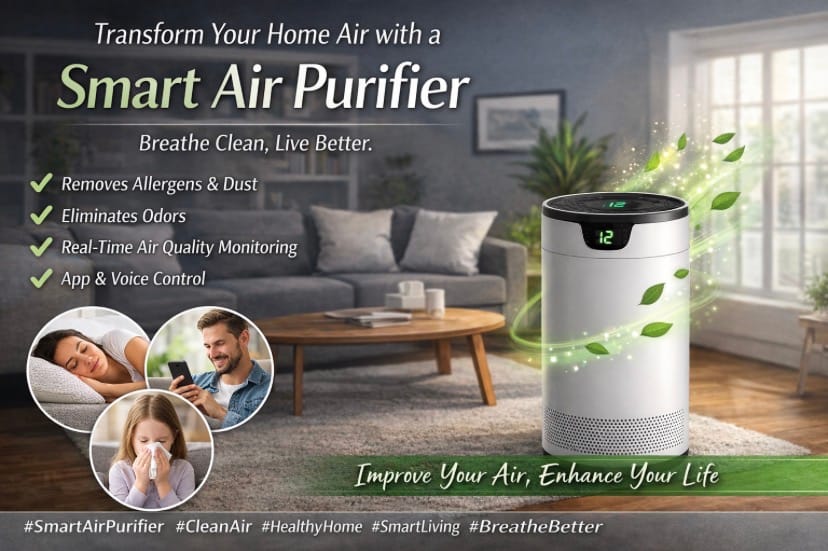
What is a smart air purifier? A smart air purifier is an advanced device designed to automatically monitor, filter, and improve indoor air quality using intelligent sensors and connectivity features. It connects to mobile apps or smart home systems, allowing real-time control and air quality insights.
Have you ever wondered if the air inside your home is truly clean? While we often worry about outdoor pollution, the truth is that indoor air can be up to five times more polluted than outdoor air. Dust, allergens, pet dander, smoke, and even invisible toxins can accumulate in enclosed spaces, silently affecting your health and comfort.
This is where the Smart Air Purifier comes in as a game-changing solution. Designed for modern homes, this device doesn’t just clean the air—it intelligently adapts to your environment. Whether you’re dealing with allergies, respiratory issues, or simply want a fresher living space, a smart air purifier provides an efficient, automated, and user-friendly approach to air purification.
In this comprehensive guide, we’ll explore everything you need to know about smart air purifiers—from how they work to their real-life benefits—helping you make an informed decision for a healthier lifestyle.
What is a Smart Air Purifier?
A Smart Air Purifier is an innovative home appliance designed to remove airborne pollutants while offering intelligent control features. Unlike traditional air purifiers, smart models are equipped with sensors, Wi-Fi connectivity, and mobile app integration, making them far more efficient and user-friendly.
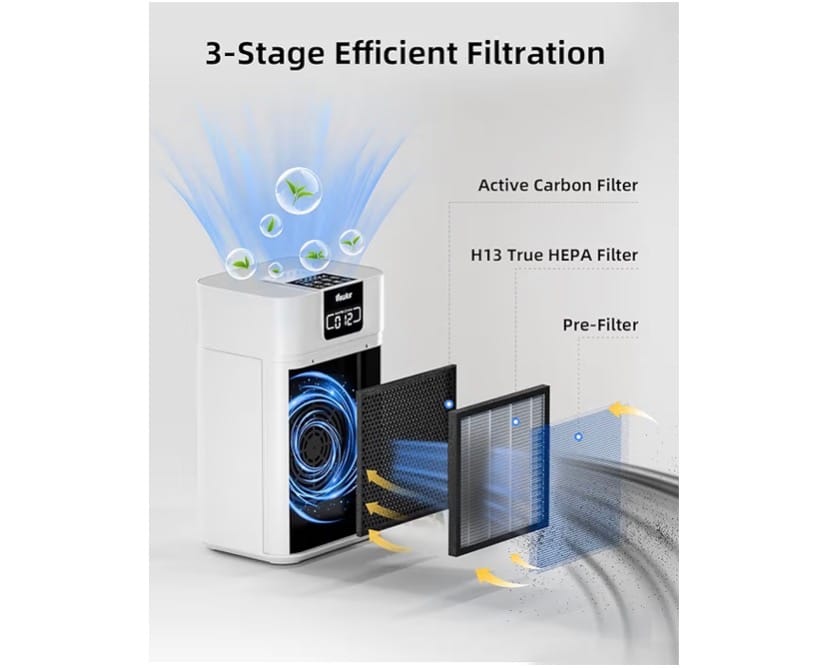
At its core, a smart air purifier works by drawing in air through a multi-stage filtration system. This often includes a pre-filter for larger particles, a HEPA filter for microscopic pollutants like pollen and dust, and an activated carbon filter to eliminate odors and harmful gases. What makes it “smart” is its ability to monitor air quality in real time and automatically adjust its settings based on detected pollution levels.
Users can control the device remotely through a smartphone app, set schedules, receive filter replacement alerts, and even integrate it with voice assistants like Alexa or Google Assistant. This level of automation ensures that your indoor environment remains consistently clean without constant manual intervention.
Using a smart air purifier is simple. Once plugged in, it begins monitoring your air immediately. Through the app, you can customize fan speeds, activate sleep mode, or check real-time air quality reports. Some advanced models even provide historical data, helping you understand patterns and improve your home environment over time.
In essence, a smart air purifier is more than just a device—it’s a proactive health companion designed to create a cleaner, safer, and more comfortable living space.
Key Features of Smart Air Purifier
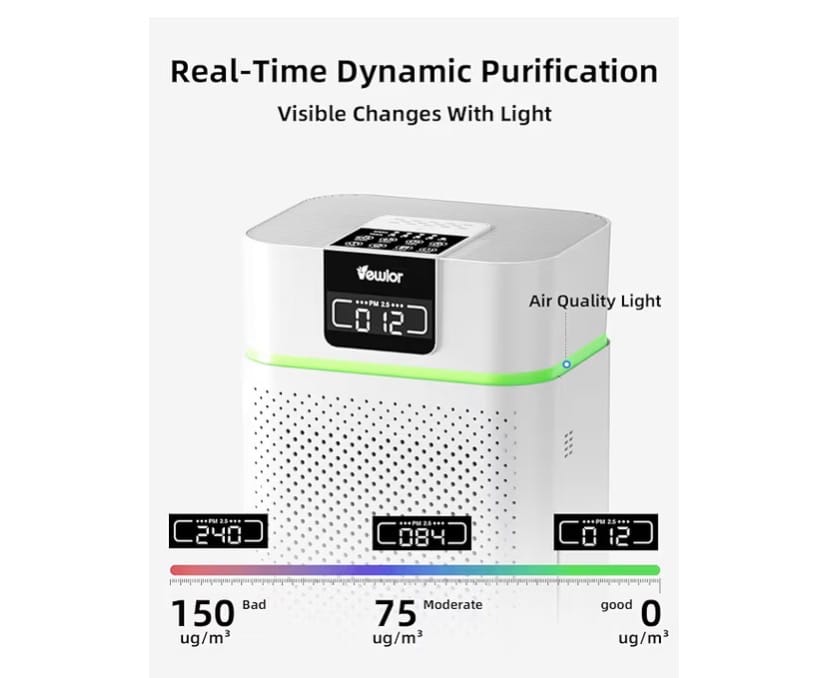
- Real-Time Air Quality Monitoring: Equipped with advanced sensors, the smart air purifier continuously detects pollutants such as dust, smoke, and allergens, displaying real-time air quality levels.
- HEPA Filtration System: High-Efficiency Particulate Air (HEPA) filters capture up to 99.97% of airborne particles, including pollen, pet dander, and fine dust.
- Activated Carbon Filter: Effectively removes odors, smoke, and harmful gases, ensuring a fresher and cleaner indoor environment.
- Smart Connectivity: Connects to Wi-Fi and can be controlled via a mobile app, allowing users to adjust settings, monitor air quality, and receive notifications remotely.
- Voice Control Integration: Compatible with voice assistants like Alexa and Google Assistant for hands-free operation.
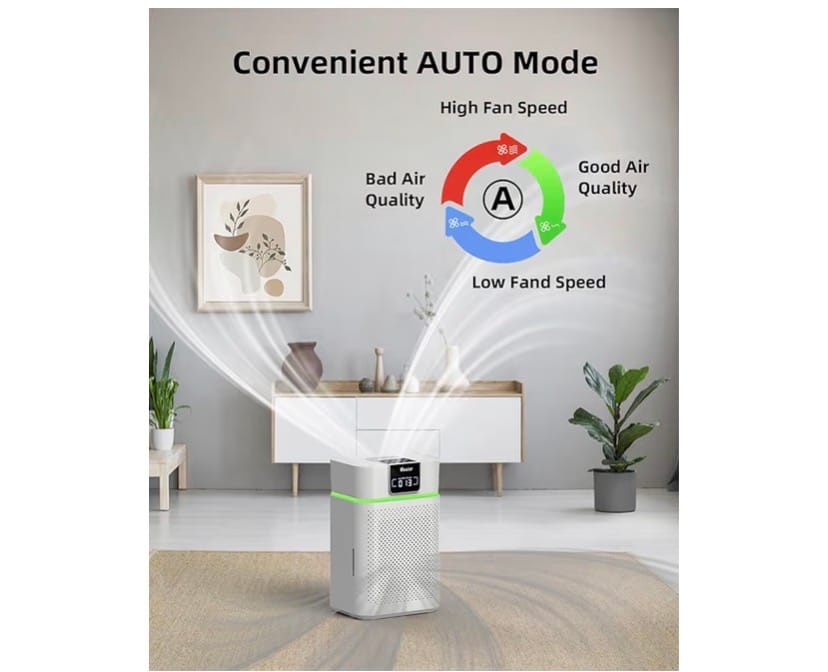
- Auto Mode Function: Automatically adjusts fan speed based on current air quality, optimizing performance and energy efficiency.
- Energy Efficient Operation: Designed to consume minimal power while maintaining high performance, making it cost-effective for continuous use.
- Quiet Sleep Mode: Operates silently during the night, ensuring uninterrupted sleep while maintaining clean air.
- Filter Replacement Alerts: Notifies users when it’s time to replace filters, ensuring optimal performance at all times.
- Compact and Modern Design: Sleek and stylish appearance that fits seamlessly into any home or office environment.
Practical User Guide: How to Use a Smart Air Purifier
Getting started with your Smart Air Purifier is simple and straightforward. Follow these practical steps to maximize its performance and ensure optimal air quality in your home.
Step 1: Choose the Right Location
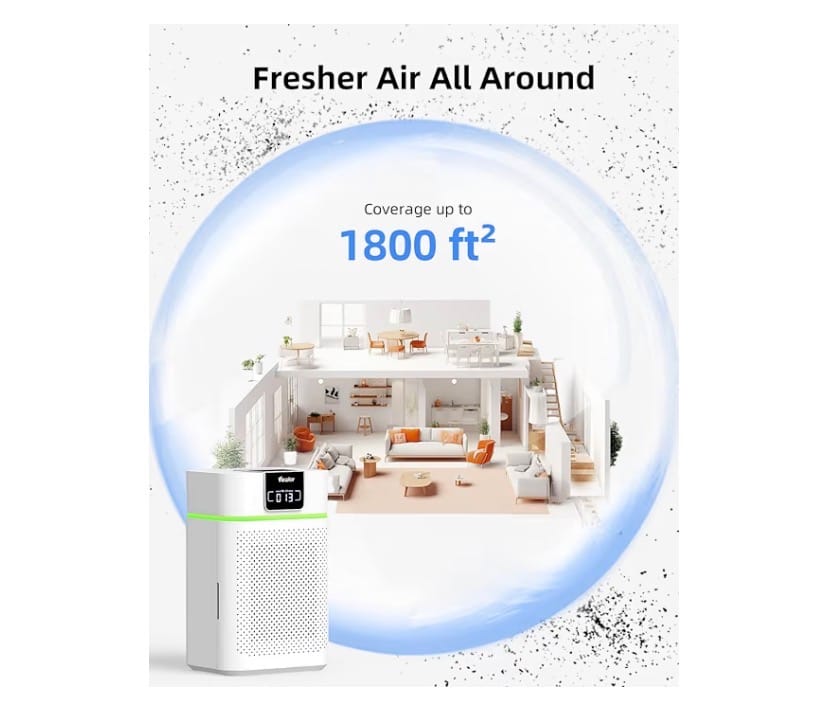
Place the purifier in a central area of the room, away from walls and obstacles. Ensure there is enough space around the device for proper air circulation.
Step 2: Plug In and Power On
Connect the device to a power source and turn it on. Most smart purifiers will automatically start in default mode and begin analyzing air quality.
Step 3: Connect to the Mobile App
Download the manufacturer’s app from the App Store or Google Play. Follow the instructions to connect your purifier to your Wi-Fi network. This allows you to control the device remotely.
Step 4: Customize Settings
Adjust fan speed, enable auto mode, or set schedules according to your daily routine. You can also activate sleep mode for quiet nighttime operation.
Step 5: Monitor Air Quality
Use the app dashboard to check real-time air quality levels. Many devices display color-coded indicators to show pollution levels instantly.
Step 6: Integrate with Smart Home Systems
Connect your purifier with smart home assistants like Alexa or Google Assistant. This enables voice commands such as turning the device on/off or changing modes.
Step 7: Maintain the Device
Regularly check filter status via the app. Replace filters as recommended to ensure the purifier continues to operate efficiently.
By following these steps, you can enjoy a seamless and automated air purification experience, making your home healthier and more comfortable.
Benefits of Smart Air Purifier for Daily Life
The Smart Air Purifier offers more than just clean air—it significantly enhances your overall quality of life. In today’s fast-paced world, maintaining a healthy indoor environment is essential, and this device plays a crucial role in achieving that goal.
One of the most noticeable benefits is improved respiratory health. By removing allergens, dust, and pollutants, the purifier helps reduce symptoms associated with allergies and breathing difficulties. This is especially beneficial for families with children, elderly members, or individuals with sensitive respiratory systems.
Another advantage is the elimination of unpleasant odors. Whether it’s cooking smells, pet odors, or smoke, the activated carbon filter ensures your home smells fresh and inviting at all times.
The smart functionality adds a layer of convenience that traditional purifiers cannot match. You can control the device from anywhere, ensuring your home is always ready with clean air before you even step inside. Automated features like scheduling and auto mode reduce the need for manual adjustments, saving both time and effort.
Energy efficiency is another key benefit. Smart air purifiers are designed to optimize performance while minimizing energy consumption. This means you can run the device continuously without worrying about high electricity bills.
Additionally, better air quality can improve sleep quality. Cleaner air reduces irritation and promotes a more restful and uninterrupted sleep, helping you wake up feeling refreshed and energized.
Ultimately, a smart air purifier is an investment in your health, comfort, and peace of mind—making it an essential addition to any modern home.
User Stories and Experiences
How Does the Smart IR Remote Control Hub Turn Your Phone into a Universal Smart Remote2026?Many users have reported life-changing improvements after incorporating a Smart Air Purifier into their daily routines. For example, Sarah, a working mother of two, struggled with constant allergies caused by dust and pet dander. After installing a smart air purifier in her living room, she noticed a significant reduction in sneezing and irritation within just a few days. The real-time air quality monitoring also helped her understand when pollution levels increased, allowing her to take immediate action.
Another user, Ahmed, who lives in a busy urban area, faced issues with smoke and outdoor pollution entering his apartment. By using a smart air purifier with auto mode, the device automatically increased its performance during peak pollution hours. Over time, Ahmed experienced better sleep quality and reduced fatigue.
Even tech enthusiasts appreciate the convenience. John integrated his purifier with his smart home system, enabling voice commands and automated schedules. This hands-free control made maintaining clean air effortless and efficient.
These experiences highlight how a smart air purifier can adapt to different lifestyles, offering personalized solutions for cleaner and healthier living environments.
Top 5 Tips for Using a Smart Air Purifier Effectively
- Keep Doors and Windows Closed: To maximize efficiency, limit outdoor air from entering while the purifier is running.
- Use Auto Mode Regularly: Let the purifier adjust its performance automatically based on air quality levels for optimal results.
- Replace Filters on Time: Always follow the manufacturer’s recommendations to maintain high filtration performance.
- Position Strategically: Place the device in high-traffic or frequently used areas for better air circulation.
- Run Continuously: For best results, keep the purifier running throughout the day instead of turning it on and off frequently.
Common Mistakes and How to Avoid Them
While a Smart Air Purifier is easy to use, some common mistakes can reduce its effectiveness. One of the most frequent errors is placing the purifier in a corner or behind furniture. This restricts airflow and limits its ability to clean the air efficiently. Always ensure proper placement in an open area.
Another mistake is neglecting filter maintenance. Dirty or clogged filters reduce performance and can even release pollutants back into the air. Regularly check and replace filters as needed.
Some users also underestimate the importance of room size compatibility. Using a purifier that is too small for a large room will not deliver the desired results. Always choose a model مناسب لحجم المساحة.
Additionally, turning off the purifier when leaving the house may seem like a way to save energy, but it allows pollutants to accumulate. Instead, use energy-efficient modes to keep it running continuously.
By avoiding these mistakes, you can ensure your smart air purifier operates at peak efficiency and delivers consistent results.
Innovative Ideas to Integrate with Other Smart Devices
The Smart Air Purifier becomes even more powerful when integrated with other smart home devices. For instance, you can connect it to a smart thermostat so that both devices work together to maintain optimal indoor comfort. When air quality drops, the purifier can automatically increase its activity while the thermostat adjusts airflow.
Another creative integration is with smart lighting systems. You can program lights to change color based on air quality levels, giving you a visual indication of your environment without checking the app.
Voice assistants like Alexa or Google Assistant can further enhance usability. You can create routines such as activating the purifier when you arrive home or switching to sleep mode at bedtime.
Additionally, pairing the purifier with smart windows or ventilation systems allows for automated air circulation, ensuring fresh air enters only when conditions are ideal.
These integrations transform your home into a fully automated ecosystem focused on health, comfort, and convenience.
Comparison with a Similar Product
When choosing a Smart Air Purifier, it’s helpful to compare it with a traditional air purifier to understand the added value of smart features. Below is a simple comparison table highlighting the key differences:
| Feature | Smart Air Purifier | Traditional Air Purifier |
|---|---|---|
| Connectivity | Wi-Fi & Mobile App Control | No connectivity |
| Air Quality Monitoring | Real-time sensors with automatic adjustments | Manual or no monitoring |
| Automation | Auto mode & scheduling | Manual operation only |
| Ease of Use | Remote and voice control | Basic buttons |
| Energy Efficiency | Optimized usage with smart sensors | Constant energy consumption |
| Price Range | Medium to High | Low to Medium |
| Amazon Link | Buy Smart Air Purifier | Varies by brand |
Core Specifications Table
Understanding the technical specifications of a Smart Air Purifier helps you choose the right model for your needs. Below is a general overview of common specifications:
| Specification | Details |
|---|---|
| Coverage Area | Up to 500–1000 sq. ft. depending on model |
| Filtration System | Pre-filter, HEPA filter, Activated Carbon filter |
| Connectivity | Wi-Fi, Mobile App, Voice Assistant Support |
| Noise Level | 20–50 dB (Quiet operation in sleep mode) |
| Power Consumption | 30–70 Watts |
| Control Options | Touch panel, App control, Voice commands |
| Auto Mode | Yes (Adjusts based on air quality) |
| Filter Life | 6–12 months depending on usage |
Would an air purifier help my COPD?
Yes, a Smart Air Purifier can be beneficial for individuals with COPD (Chronic Obstructive Pulmonary Disease). Clean air is essential for managing respiratory conditions, and air purifiers help by removing airborne irritants such as dust, smoke, and pollutants that can trigger symptoms.
HEPA filters are particularly effective at capturing fine particles that may worsen breathing difficulties. Additionally, smart purifiers provide real-time air quality updates, allowing users to monitor and maintain a healthier indoor environment.
However, while air purifiers can improve air quality, they should be used as a complementary solution alongside medical treatment and professional advice.
Can air purifiers help with asthma?
Absolutely. A Smart Air Purifier is highly recommended for people with asthma. It helps remove common triggers such as pollen, pet dander, mold spores, and dust mites from the air.
By reducing these airborne irritants, air purifiers can decrease the frequency and severity of asthma attacks. The smart functionality ensures continuous monitoring and automatic adjustments, keeping the air consistently clean without manual intervention.
For best results, it is important to choose a purifier with a true HEPA filter and use it regularly in the most frequently occupied rooms.
What is the best air purifier for chemo patients?
For chemotherapy patients, maintaining a clean and safe indoor environment is crucial due to a weakened immune system. The best Smart Air Purifier for chemo patients is one that includes a medical-grade HEPA filter and an activated carbon filter.
These filters work together to remove bacteria, viruses, airborne particles, and harmful chemicals from the air. Smart features such as real-time monitoring and automatic adjustments ensure consistent air quality, reducing the risk of exposure to harmful pollutants.
Additionally, choosing a purifier with ultra-quiet operation and high coverage area can provide comfort and peace of mind during recovery.
Call to Action – Get Your Smart Air Purifier Today
Ready to transform your home into a clean, healthy, and smart living space? The Smart Air Purifier is your ultimate solution for better air quality, improved health, and everyday comfort.
– “Get your Smart Air Purifier now from Amazon and start your smart home journey today!”
– “Don’t miss the chance to upgrade your home with a Smart Air Purifier—shop now using the link below!”
– “Begin your journey toward comfort and safety with a Smart Air Purifier—order today!”
Conclusion and Future Insights
In today’s world, where air pollution and indoor contaminants are becoming increasingly common, investing in a Smart Air Purifier is no longer a luxury—it’s a necessity. From removing harmful particles to providing real-time air quality insights, this device offers a comprehensive solution for maintaining a healthier home environment.
Its smart features, including automation, remote control, and integration with other devices, make it an essential part of modern living. Whether you’re looking to reduce allergies, improve sleep, or simply enjoy fresher air, a smart air purifier delivers measurable benefits that enhance your quality of life.
As technology continues to evolve, smart home devices like air purifiers will become even more advanced, offering deeper insights and greater efficiency. In upcoming articles, we will explore complementary products such as smart humidifiers, smart thermostats, and advanced home automation systems that can further enhance your living space.
Stay tuned and continue your journey toward a smarter, healthier, and more comfortable lifestyle.
Frequently Asked Questions (FAQs)
1. How often should I run my smart air purifier?
For best results, it is recommended to run your smart air purifier continuously. Most modern devices are energy-efficient and designed for 24/7 operation.
2. How do I know when to replace the filter?
Smart air purifiers usually send notifications عبر التطبيق when it’s time to replace the filter. Typically, filters last between 6 to 12 months depending on usage.
3. Can a smart air purifier remove viruses and bacteria?
Yes, many smart air purifiers with HEPA filters can capture airborne particles, including some bacteria and viruses, improving overall air safety.
4. Is a smart air purifier noisy?
No, most models include a sleep mode that operates quietly, making them suitable for bedrooms and nighttime use.
5. Does it consume a lot of electricity?
Smart air purifiers are designed to be energy-efficient. Their auto mode helps optimize power usage based on air quality levels.
How Can a Smart Plug with Energy Monitoring Transform Your Energy Efficiency Today2026?