Table of contents
Table of Contents
Introduction: Why Every Smart Home Needs Leak Detection
How much does the YoLink app cost? The YoLink app is completely free to download and use, with no monthly subscription required for basic monitoring and alerts. This makes smart leak detection accessible without hidden fees.
Water damage is one of the most expensive and stressful problems homeowners face today. A small, unnoticed leak can silently destroy floors, walls, furniture, and even electrical systems before you realize something is wrong. Whether it’s a leaking washing machine hose, a burst pipe under the sink, or a slow drip near your water heater, the damage often escalates quickly and unexpectedly.
This is exactly where a Smart Water Leak Detector becomes a game-changing solution. Designed to monitor moisture levels and detect leaks in real time, this smart device alerts you instantly—wherever you are—so you can act before minor issues turn into costly repairs.
With smart home adoption growing rapidly, leak detectors have evolved beyond simple alarms. Today’s smart water leak sensors integrate seamlessly with mobile apps, smart hubs, and automation systems, offering peace of mind, control, and proactive home protection. In this guide, we’ll explore how the Smart Water Leak Detector works, why it matters, and how it can transform the way you protect your home.
Get the Smart Water Leak Detector now from Amazon and start your smart home protection today!
What Is a Smart Water Leak Detector?
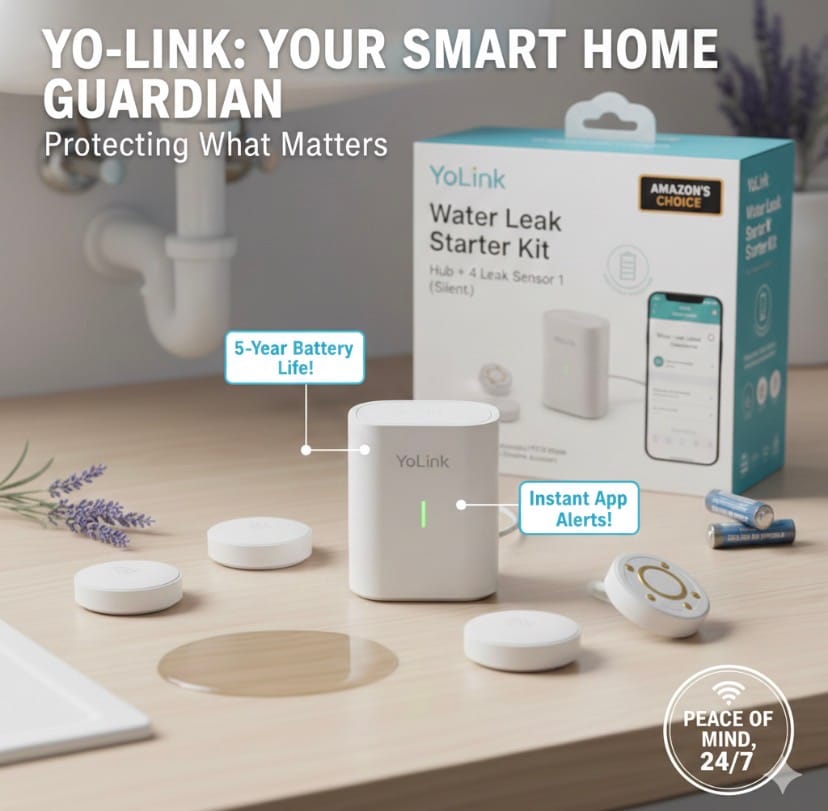
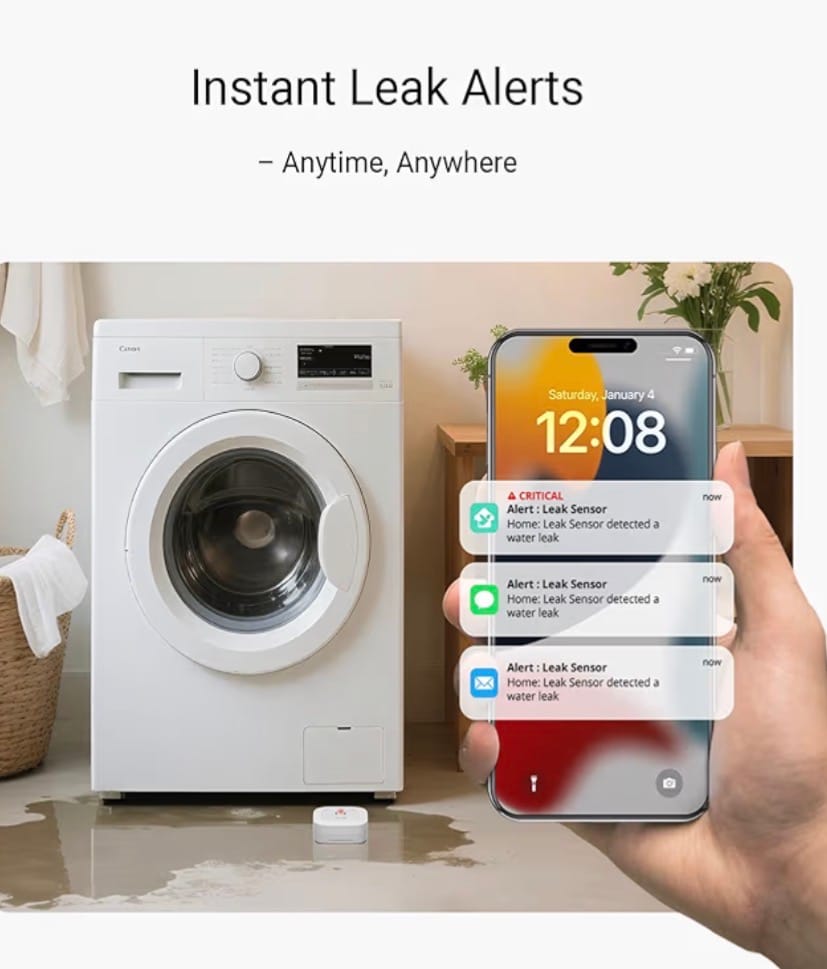
A Smart Water Leak Detector is an intelligent home monitoring device designed to detect the presence of water or abnormal moisture levels in areas where leaks are most likely to occur. Unlike traditional water alarms that only make noise when water is detected, smart leak detectors send instant notifications directly to your smartphone, allowing you to respond immediately—even when you’re not at home.
These devices are typically placed near high-risk areas such as under sinks, behind washing machines, next to water heaters, dishwashers, refrigerators, and basement pipes. Once moisture touches the sensor probes, the device is triggered and communicates the alert through a wireless connection, such as Wi-Fi or long-range LoRa technology, depending on the model.
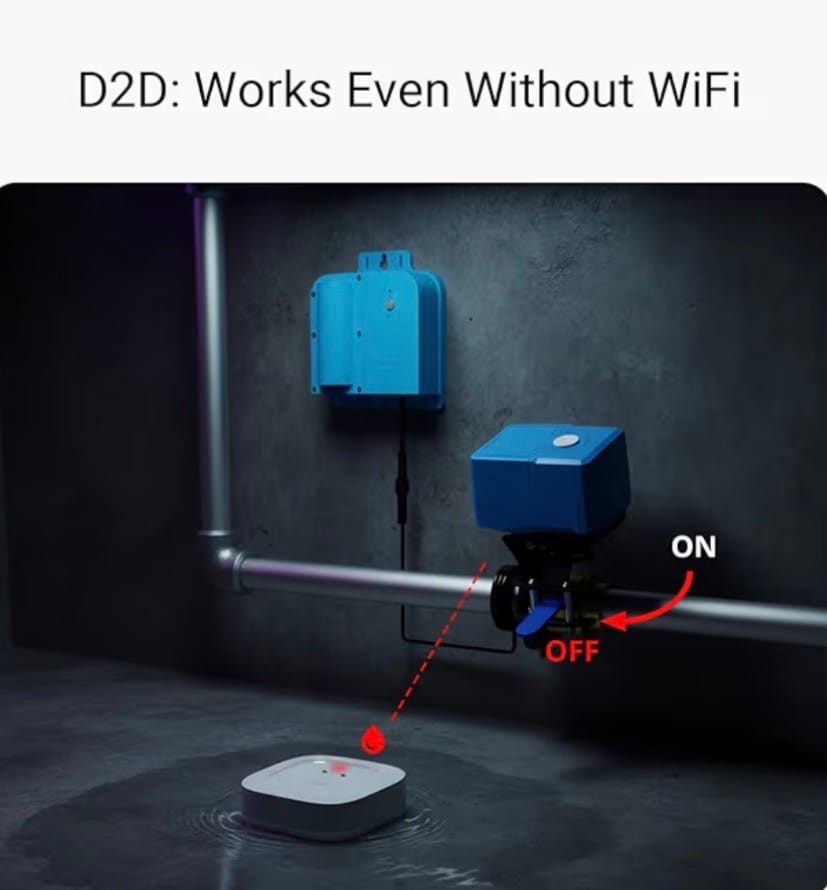
Modern smart water leak detectors often integrate with smart home ecosystems, enabling automation like shutting off the main water valve when a leak is detected. This proactive approach minimizes damage, saves repair costs, and reduces the stress associated with unexpected water emergencies.
Easy to install and simple to operate, a smart water leak detector is an essential component of any smart home setup. It offers 24/7 monitoring, real-time alerts, and peace of mind—making it a smart investment for homeowners, renters, and property managers alike.
Key Features of the Smart Water Leak Detector
The Smart Water Leak Detector is designed to provide advanced protection, convenience, and peace of mind. Its intelligent features go far beyond traditional water alarms, making it an essential tool for modern smart homes.
- Real-Time Leak Detection: The sensor instantly detects water leaks or abnormal moisture levels and triggers immediate alerts, helping you act before damage spreads.
- Instant Mobile Notifications: Receive push notifications directly on your smartphone through the companion app, whether you are at home, at work, or traveling.
- No Monthly Subscription: Many smart leak detectors, including YoLink-compatible models, offer free app usage without recurring fees, reducing long-term costs.
- Long Battery Life: Designed for efficiency, most devices operate for months or even years on a single battery, minimizing maintenance.
- Loud Local Alarm: In addition to mobile alerts, the built-in alarm ensures that anyone nearby is instantly warned when a leak occurs.
- Wide Wireless Range: Advanced wireless technologies allow sensors to function reliably even in basements, garages, and hard-to-reach areas.
- Easy Installation: No tools or technical expertise are required—simply place the sensor where leaks are likely to occur.
- Smart Home Integration: The detector can work alongside other smart devices, enabling automation such as shutting off water valves when leaks are detected.
- Compact and Discreet Design: Its small size allows it to blend seamlessly into any home environment without being intrusive.
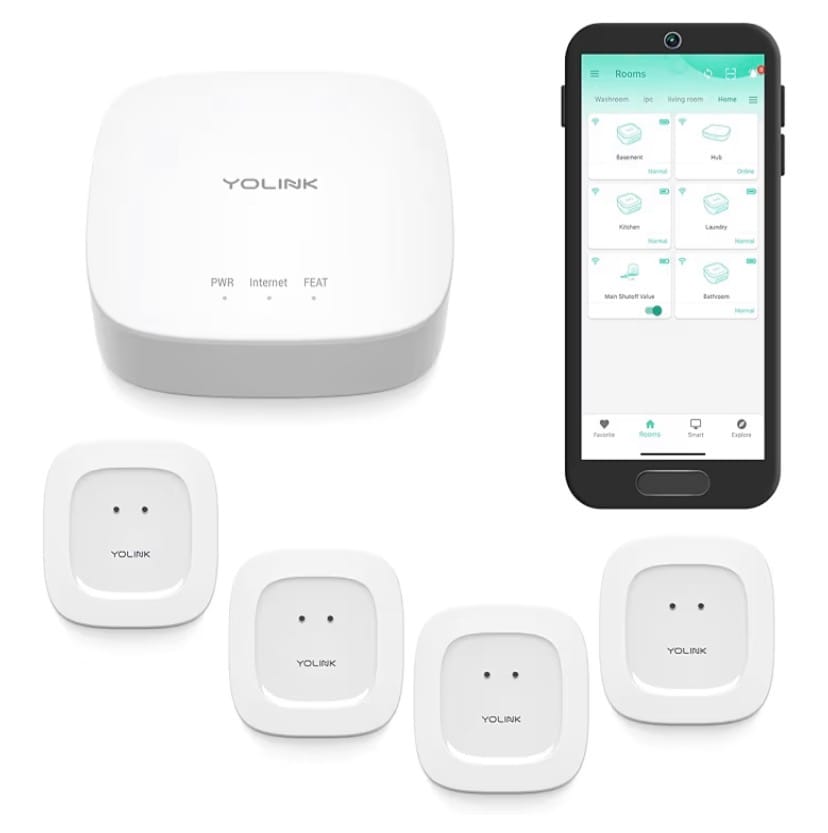
- Multiple Sensor Support: Monitor multiple rooms or risk zones simultaneously through a single app interface.
These features make the Smart Water Leak Detector a reliable, cost-effective, and intelligent solution for preventing water damage before it becomes a serious issue.
Practical User Guide: How to Use a Smart Water Leak Detector
Getting started with a Smart Water Leak Detector is simple and user-friendly, even for those new to smart home technology. Follow these practical steps to ensure optimal performance and protection.
Step 1: Choose the Right Locations
Identify areas in your home where water leaks are most likely to occur. Common spots include under sinks, near water heaters, washing machines, dishwashers, refrigerators, toilets, and basement pipes. Proper placement is key to early detection.
Step 2: Power the Device
Insert the batteries according to the manufacturer’s instructions. Most smart leak detectors will indicate when they are powered on through an LED light or sound signal.
Step 3: Connect to the Mobile App
Download the companion app on your smartphone and follow the on-screen instructions to pair the device. The app interface typically guides you through setup, ensuring a smooth and fast connection.
Step 4: Test the Sensor
Before final placement, test the sensor by touching the probes with a damp cloth or placing it briefly on a wet surface. Confirm that both the local alarm and mobile notification work correctly.
Step 5: Place and Secure the Detector
Once tested, position the sensor in the chosen area. Ensure the probes are in contact with the floor or surface where water would first accumulate.
Step 6: Enable Smart Automations (Optional)
If supported, connect the detector to other smart devices such as smart water shut-off valves or home automation systems. This allows automatic responses when leaks are detected.
Step 7: Monitor and Maintain
Regularly check battery status through the app and replace batteries when notified. Periodic testing ensures the system remains reliable over time.
By following these steps, your Smart Water Leak Detector will provide continuous monitoring and instant alerts, giving you confidence that your home is protected around the clock.
Benefits of Using a Smart Water Leak Detector in Daily Life
Integrating a Smart Water Leak Detector into your home goes far beyond simple leak alerts. It fundamentally improves the way you manage safety, comfort, and efficiency in your daily life.
Enhanced Home Protection: One of the biggest advantages is continuous monitoring. The device works 24/7, detecting leaks the moment they occur. This immediate response helps prevent structural damage, mold growth, and costly repairs caused by prolonged exposure to water.
Peace of Mind Anywhere: Whether you are at work, on vacation, or asleep at night, smart notifications keep you informed at all times. Knowing that your home is actively monitored reduces stress and allows you to focus on your daily routine without constant worry.
Cost Savings Over Time: Early leak detection can save thousands of dollars in repair and insurance costs. By addressing leaks before they escalate, homeowners can avoid expensive plumbing work and damage to floors, walls, and appliances.
Water Conservation: Undetected leaks waste a significant amount of water. A smart leak detector helps reduce water consumption by identifying issues early, supporting environmentally responsible living and lowering utility bills.
Ideal for Busy Lifestyles: Modern life is fast-paced, and not everyone has time to regularly inspect plumbing areas. The Smart Water Leak Detector acts as a silent guardian, monitoring vulnerable areas so you don’t have to.
Perfect for Rental Properties and Second Homes: Property owners can monitor multiple locations remotely, making it easier to manage rentals, vacation homes, or properties that are not occupied year-round.
Improved Smart Home Experience: When connected with other smart devices, leak detectors enhance automation and responsiveness, creating a safer and more intelligent living environment.

Real-Life User Stories and Experiences
Many homeowners have already experienced the value of a Smart Water Leak Detector firsthand. These real-life scenarios highlight how small devices can make a big difference.
Sarah’s Kitchen Save: Sarah placed a leak detector under her kitchen sink after a previous plumbing issue. One afternoon, while at work, she received an alert about moisture detection. A loose pipe connection was slowly leaking, and thanks to the early warning, she was able to fix it the same day—avoiding cabinet damage and mold.
Mark’s Vacation Relief: Mark travels frequently and worries about his empty home. During a trip, his smart water leak detector notified him of a leak near the water heater. He contacted a neighbor immediately, preventing what could have been severe flooding.
Apartment Living Made Easy: For renters, installing permanent systems isn’t always an option. A compact, wireless leak detector allowed one tenant to monitor bathroom plumbing without modifying the property, giving both the renter and landlord peace of mind.
These experiences demonstrate how smart leak detection transforms reactive problem-solving into proactive home protection.
Top 5 Tips for Using a Smart Water Leak Detector Effectively
To get the maximum benefit from your Smart Water Leak Detector, proper usage and strategic placement are essential. These expert tips will help you enhance accuracy, responsiveness, and overall protection.
- Place Sensors in High-Risk Areas: Focus on locations with the highest likelihood of leaks, such as under sinks, behind washing machines, near water heaters, and around toilets.
- Use Multiple Sensors: One detector is often not enough for full protection. Using multiple sensors ensures coverage across different rooms and plumbing zones.
- Test the Device Regularly: Perform monthly tests to confirm that alerts and alarms are functioning correctly and that notifications are reaching your phone.
- Monitor Battery Levels: Low batteries can compromise performance. Enable battery alerts in the app and replace batteries promptly when needed.
- Enable Smart Alerts and Automation: Customize notifications and integrate with smart home systems to automate responses, such as water shut-off or alert escalation.
Common Mistakes When Using a Smart Water Leak Detector and How to Avoid Them
Even the most advanced smart devices can fail if not used correctly. Avoid these common mistakes to ensure reliable protection.
- Poor Placement: Placing sensors too far from water sources can delay detection. Always position probes where water would naturally collect first.
- Ignoring App Notifications: Alerts are only effective if acted upon. Ensure notifications are enabled and not muted on your phone.
- Skipping Regular Maintenance: Failing to test the sensor or replace batteries can lead to missed leaks.
- Using Too Few Sensors: Relying on a single detector leaves blind spots. Expand coverage for comprehensive protection.
- Assuming the Device Is Waterproof: Not all leak detectors are designed to be submerged. Always follow manufacturer guidelines for placement.
Innovative Ways to Integrate a Smart Water Leak Detector with Other Devices
One of the most powerful aspects of a Smart Water Leak Detector is its ability to work with other smart home devices, creating a proactive and automated safety system.
Smart Water Shut-Off Valves: Pairing the detector with a smart shut-off valve allows automatic water supply interruption when a leak is detected, preventing flooding instantly.
Smart Home Hubs: Integrating with a smart hub enables centralized control, automation rules, and compatibility with voice assistants.
Security and Alarm Systems: Water leak alerts can be added to home security dashboards, ensuring all emergencies are monitored in one place.
Smart Lighting Automation: In case of a leak, smart lights can be programmed to turn on automatically, guiding occupants to the problem area quickly.
Mobile and Cloud Monitoring: Remote access through cloud-connected apps allows homeowners to manage and monitor multiple properties effortlessly.
By combining smart devices, the Smart Water Leak Detector becomes part of a comprehensive, intelligent home protection ecosystem.
Smart Water Leak Detector vs. Similar Product
To help you make a confident buying decision, here is a simple comparison between the Smart Water Leak Detector and a typical alternative water leak sensor available on the market.
| Feature | Smart Water Leak Detector | Standard Water Leak Sensor |
|---|---|---|
| Real-Time Mobile Alerts | Yes (Instant App Notifications) | Limited or No |
| Smart Home Integration | Yes (Hubs, Valves, Automation) | No |
| App Cost | Free | May Require Subscription |
| Wireless Range | Long-Range Coverage | Short Range |
| Ease of Installation | Very Easy (No Tools) | Moderate |
| Average Price | Competitive | Lower but Limited Features |
| Amazon Link | View on Amazon | Varies by Brand |
Smart Water Leak Detector Specifications
The following table highlights the core technical and practical specifications that make the Smart Water Leak Detector a reliable smart home device.
| Specification | Details |
|---|---|
| Detection Type | Water and Moisture Detection |
| Connectivity | Wireless (App-Based Monitoring) |
| Power Source | Battery Operated |
| Battery Life | Long-Lasting (Months to Years) |
| Alert Methods | Mobile Notifications + Local Alarm |
| Installation | No Tools Required |
| Smart Home Compatibility | Supports Automation and Integrations |
| Recommended Locations | Kitchens, Bathrooms, Basements, Appliances |
Frequently Asked Questions (FAQ)
How does a YoLink water sensor work?
A YoLink water sensor detects leaks using exposed probes that sense moisture. When water touches the probes, the sensor immediately sends an alert to the connected app, allowing fast action before damage occurs.
Are YoLink sensors waterproof?
YoLink sensors are designed to detect water but are not fully waterproof or submersible. They should be placed where water contact is expected but not fully immersed.
Does YoLink need a hub?
Yes, YoLink sensors require a compatible hub to connect to the app and enable remote monitoring, alerts, and smart automation features.
Call to Action: Protect Your Home Today
Water damage can happen at any time—but with the Smart Water Leak Detector, you stay one step ahead. This smart device gives you real-time alerts, peace of mind, and proactive protection against costly leaks.
Get the Smart Water Leak Detector now from Amazon and start your smart home protection today!
Don’t miss the opportunity to upgrade your home safety. Start your journey toward comfort and security with the Smart Water Leak Detector—shop now on Amazon!
Conclusion and What’s Next
The Smart Water Leak Detector is more than just a sensor—it’s a smart investment in home safety, efficiency, and peace of mind. By detecting leaks early, reducing water waste, and integrating seamlessly with smart home systems, it transforms how homeowners manage potential risks.
As smart living continues to evolve, pairing this device with complementary products such as smart water shut-off valves, home automation hubs, and security systems can elevate your home to the next level. In upcoming articles, we’ll explore these smart home additions and show you how to build a fully connected, intelligent home ecosystem.
Explore more smart home solutions on our site and continue building a safer, smarter future—one device at a time.
See more
Water-Saving High Pressure Shower Head: Save 30% on Water Bills Without Sacrificing Power