Table of contents
Table of Contents
Introduction
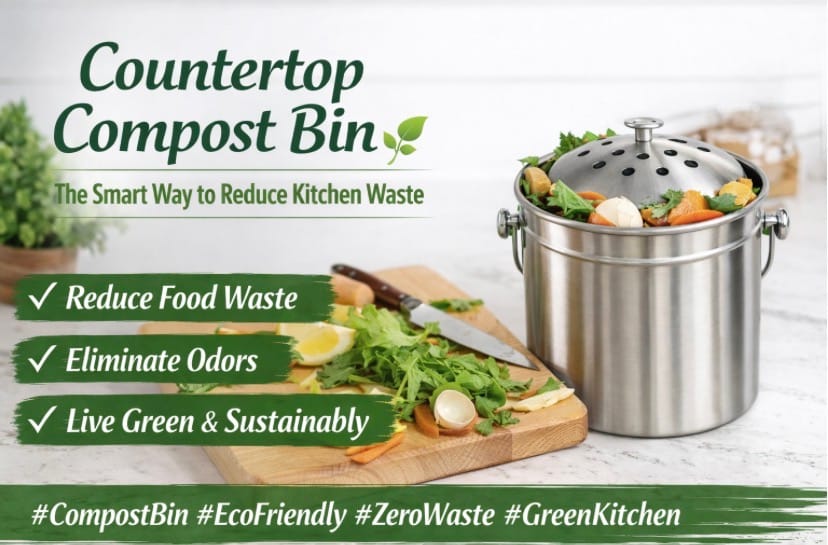
Do countertop compost bins work? Yes—countertop compost bins absolutely work, and they are one of the simplest ways to reduce food waste while creating nutrient-rich compost for plants. These compact, odor-controlled containers are designed to sit conveniently in your kitchen, allowing you to collect organic waste like fruit peels, coffee grounds, and vegetable scraps without mess or inconvenience.
In today’s fast-paced world, sustainability is no longer optional—it’s essential. Every day, households generate significant amounts of organic waste that often ends up in landfills, contributing to harmful greenhouse gas emissions. But what if you could turn that waste into something useful without disrupting your daily routine?
This is where the Countertop Compost Bin comes in. Designed for modern kitchens, this eco-friendly solution makes composting easy, clean, and accessible—even for beginners. Whether you live in a small apartment or a large home, this product empowers you to take a step toward greener living while keeping your kitchen organized and odor-free.
In this comprehensive guide, we’ll explore everything you need to know about countertop compost bins—from how they work to their benefits, features, and practical usage tips.
Don’t miss the opportunity to upgrade your kitchen and reduce waste effortlessly. Get your Countertop Compost Bin now from Amazon and start making a positive impact today!
What Is a Countertop Compost Bin?
A Countertop Compost Bin is a small, portable container specifically designed to collect organic kitchen waste before it is transferred to a larger composting system or outdoor bin. Unlike traditional compost piles, these bins are compact enough to sit on your kitchen counter, under the sink, or in a cabinet, making them highly convenient for everyday use.
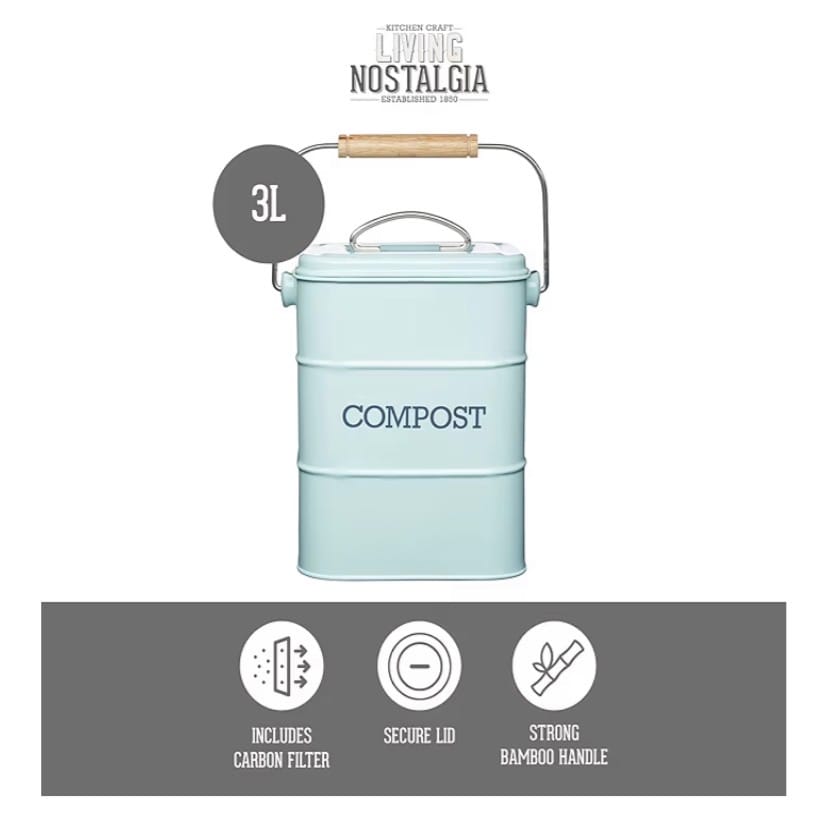
Typically made from materials like stainless steel, ceramic, or BPA-free plastic, countertop compost bins are engineered with features that prevent odors and pests. Most models include charcoal filters or airtight lids that trap smells, ensuring your kitchen remains fresh and clean.
The primary function of a countertop compost bin is to act as a temporary storage solution for biodegradable waste such as:
- Fruit and vegetable scraps
- Coffee grounds and tea bags
- Eggshells
- Bread and grains
Once the bin is full, the contents can be transferred to an outdoor compost pile, municipal composting service, or an electric composting device. This simple process helps reduce landfill waste and supports sustainable living practices.
Using a countertop compost bin is straightforward. You simply deposit your organic waste throughout the day, seal the lid to prevent odors, and empty it regularly. Many bins are dishwasher-safe, making cleaning quick and hassle-free.
In essence, this product bridges the gap between your kitchen and environmentally responsible waste management, making composting accessible to everyone—regardless of space or experience.
Key Features of a Countertop Compost Bin
A high-quality Countertop Compost Bin is more than just a container—it’s a thoughtfully designed tool that simplifies sustainable living. Below are the most important features that make this product an essential addition to any eco-conscious kitchen:
- Compact and Space-Saving Design: Designed to fit seamlessly on your kitchen counter, under the sink, or inside a cabinet, these bins are perfect for both small apartments and large homes.
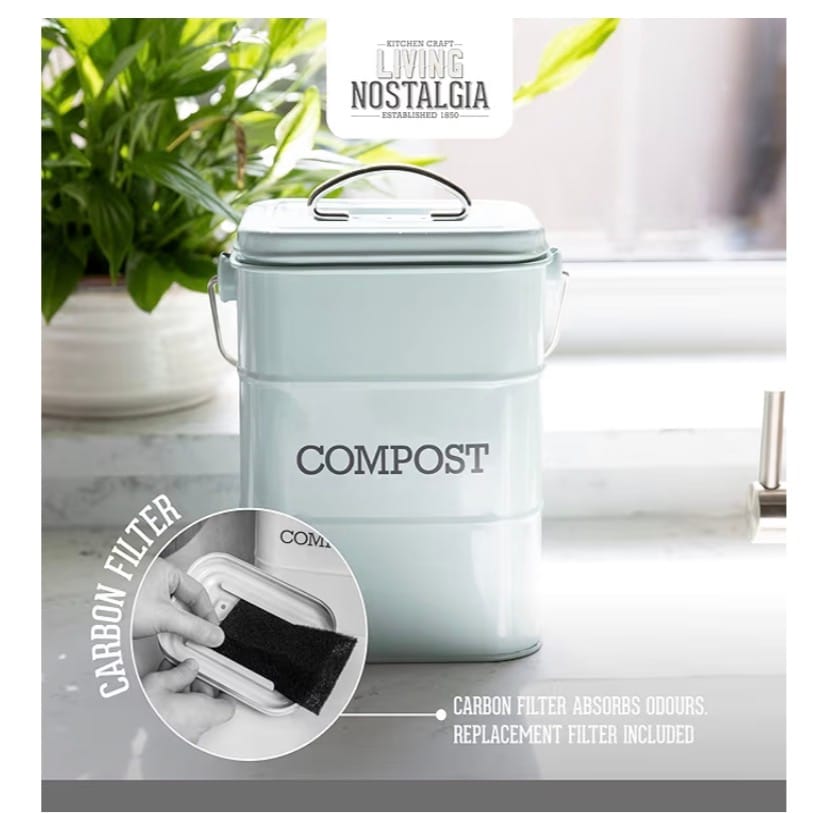
- Odor Control Technology: Most countertop compost bins come equipped with activated charcoal filters or airtight lids that effectively trap and neutralize unpleasant smells, keeping your kitchen fresh.
- Durable Materials: High-quality bins are made from stainless steel, ceramic, or BPA-free plastic, ensuring long-lasting performance and resistance to stains and corrosion.
- Easy to Clean: Many models are dishwasher-safe or designed with smooth interiors that prevent food from sticking, making maintenance quick and simple.
- Eco-Friendly Construction: Some bins are made from recycled or sustainable materials, aligning perfectly with environmentally conscious lifestyles.
- Portable and Lightweight: The lightweight design allows you to easily carry the bin when it’s time to empty it into a larger compost system.
- Pest-Resistant Design: Tight-fitting lids help prevent insects like fruit flies from accessing the contents.
- Stylish Appearance: Available in modern designs and neutral colors, these bins blend seamlessly with your kitchen décor.
- Replaceable Filters: Many bins include replaceable charcoal filters that extend the product’s usability and maintain odor control over time.
- Multiple Size Options: Whether you generate minimal waste or cook frequently, you can choose a size that fits your lifestyle.
Practical User Guide: How to Use a Countertop Compost Bin
Getting started with a Countertop Compost Bin is simple, even if you’ve never composted before. Follow these practical steps to maximize efficiency and maintain a clean, odor-free kitchen:
Step 1: Choose the Right Location
Place your bin in a convenient spot—usually on the countertop near your food prep area. You can also keep it under the sink if you prefer a clutter-free look.
Step 2: Start Collecting Organic Waste
Add compostable materials such as fruit peels, vegetable scraps, coffee grounds, eggshells, and leftover grains. Avoid adding meat, dairy, or oily foods unless your composting system supports them.
Step 3: Use a Liner (Optional)
Consider using compostable liners to make emptying and cleaning easier. These liners are biodegradable and help reduce mess.
Step 4: Seal the Lid Properly
Always close the lid tightly after adding waste. This prevents odors from escaping and keeps pests away.
Step 5: Empty the Bin Regularly
Depending on usage, empty your bin every 2–4 days. Transfer the contents to an outdoor compost pile, community compost program, or electric composter.
Step 6: Clean and Maintain
Wash your bin regularly with warm water and mild soap. Replace charcoal filters every few months to maintain odor control.
Step 7: Integrate With Other Systems
For a complete composting setup, pair your countertop bin with:
- An outdoor compost tumbler
- A backyard compost pile
- An electric composting machine
This integration allows you to efficiently convert kitchen waste into nutrient-rich compost for gardening or landscaping.
By following these steps, you’ll create a smooth and hygienic composting routine that fits effortlessly into your daily life.
Benefits of a Countertop Compost Bin for Your Home and Daily Life
Incorporating a Countertop Compost Bin into your kitchen routine offers far more than just waste management—it transforms the way you interact with your environment. From reducing clutter to supporting sustainability, this simple tool can significantly improve your daily life.
One of the most immediate benefits is reducing household waste. A large portion of kitchen waste is organic, and instead of sending it to landfills, you can repurpose it into compost. This not only decreases the volume of trash but also contributes to a healthier planet.
Another major advantage is odor control. Traditional trash bins often develop unpleasant smells due to decomposing food. With a countertop compost bin, odor-sealing lids and charcoal filters keep your kitchen fresh, even when collecting food scraps.
The bin also promotes better organization in your kitchen. Instead of mixing food waste with general garbage, you have a dedicated space for compostable materials. This separation streamlines your cleaning routine and makes waste disposal more efficient.
For those interested in gardening, the benefits extend even further. By composting your kitchen waste, you create nutrient-rich soil that can enhance plant growth. This reduces the need for chemical fertilizers and supports healthier, more natural gardening practices.
Additionally, using a countertop compost bin can help you save money over time. By producing your own compost, you reduce the need to purchase soil enhancers or fertilizers. It’s a small investment that yields long-term value.
From a lifestyle perspective, this product encourages eco-conscious habits. It raises awareness about food waste and inspires more responsible consumption. Over time, these small changes can lead to a more sustainable and mindful way of living.
Finally, it adds a level of convenience and accessibility that traditional composting methods lack. You don’t need a backyard or large outdoor space—everything starts right in your kitchen.
User Stories and Real-Life Experiences
Many users have found that adopting a Countertop Compost Bin has completely changed their approach to waste management.
Take Sarah, for example, a busy professional living in a small apartment. She always wanted to compost but didn’t have the space for a traditional setup. After purchasing a countertop compost bin, she was able to collect food scraps easily and drop them off at a local composting facility. Within weeks, she noticed a significant reduction in her household trash.
Then there’s Ahmed, a home gardening enthusiast. He started using a countertop compost bin to collect kitchen waste and transfer it to his backyard compost pile. Over time, he produced high-quality compost that improved the health of his plants and increased his garden yield.
Another user, Lina, appreciated the product for its clean and odor-free design. Initially worried about smells, she was surprised at how effective the charcoal filter was. Now, she keeps the bin on her countertop without any concerns.
Even families with children have found value in using this product. It serves as an educational tool, teaching kids about recycling, sustainability, and environmental responsibility in a hands-on way.
These stories highlight how a simple product can deliver meaningful benefits across different lifestyles, making composting accessible, practical, and rewarding.
Top 5 Tips for Using a Countertop Compost Bin Effectively
- Empty the bin regularly: Don’t let waste sit too long. Emptying every few days prevents odors and keeps the bin hygienic.
- Use charcoal filters properly: Replace filters as recommended to maintain maximum odor control.
- Avoid non-compostable items: Stick to fruit, vegetables, and other organic materials unless your system supports more.
- Keep it dry: Too much moisture can cause smells. Add dry materials like paper towels if needed.
- Clean consistently: A quick rinse after emptying keeps your bin fresh and ready for daily use.
Common Mistakes When Using a Countertop Compost Bin and How to Avoid Them
While a Countertop Compost Bin is easy to use, certain common mistakes can reduce its effectiveness or create unnecessary issues. Understanding these pitfalls will help you maintain a clean, odor-free, and efficient composting routine.
- Letting waste sit too long: One of the biggest mistakes is not emptying the bin regularly. This can lead to unpleasant odors and attract pests. Solution: Empty the bin every 2–4 days.
- Adding the wrong materials: Including meat, dairy, or oily foods can cause strong smells and slow decomposition. Solution: Stick to fruit scraps, vegetables, coffee grounds, and eggshells unless your compost system allows otherwise.
- Ignoring cleaning routines: Neglecting to wash the bin can lead to residue buildup and bacteria growth. Solution: Rinse and clean your bin after each emptying.
- Not replacing filters: Charcoal filters lose effectiveness over time. Solution: Replace filters every 2–3 months or as recommended by the manufacturer.
- Overfilling the bin: Filling beyond capacity can make it difficult to close the lid properly. Solution: Monitor the fill level and empty before it gets too full.
Creative Ideas to Integrate a Countertop Compost Bin With Other Products
A Countertop Compost Bin works even better when combined with complementary tools and systems. Here are some creative ways to maximize its potential:
- Pair with an outdoor compost tumbler: Transfer collected waste into a tumbler for faster decomposition and easy mixing.
- Use with an electric composter: For quick results, connect your bin to an electric composting device that turns waste into compost within hours.
- Combine with biodegradable liners: These liners simplify cleanup and reduce mess when transferring waste.
- Integrate into a smart kitchen setup: Place the bin near your food prep station to streamline cooking and waste disposal.
- Use alongside indoor herb gardens: Create a sustainable cycle by using compost to nourish your herbs and plants.
These integrations help create a seamless, eco-friendly system that enhances both convenience and sustainability in your home.
Comparison: Countertop Compost Bin vs. Electric Compost Bin
| Feature | Countertop Compost Bin | Electric Compost Bin |
|---|---|---|
| Function | Stores organic waste temporarily | Processes waste into compost automatically |
| Price | Affordable | More expensive |
| Maintenance | Manual cleaning required | Automated with minimal effort |
| Energy Use | No electricity needed | Requires power |
| Best For | Beginners and small kitchens | Advanced users seeking convenience |
| Amazon Link | View Product | View Product |
Basic Specifications Table
Below is a general overview of the typical specifications you can expect from a high-quality Countertop Compost Bin:
| Specification | Details |
|---|---|
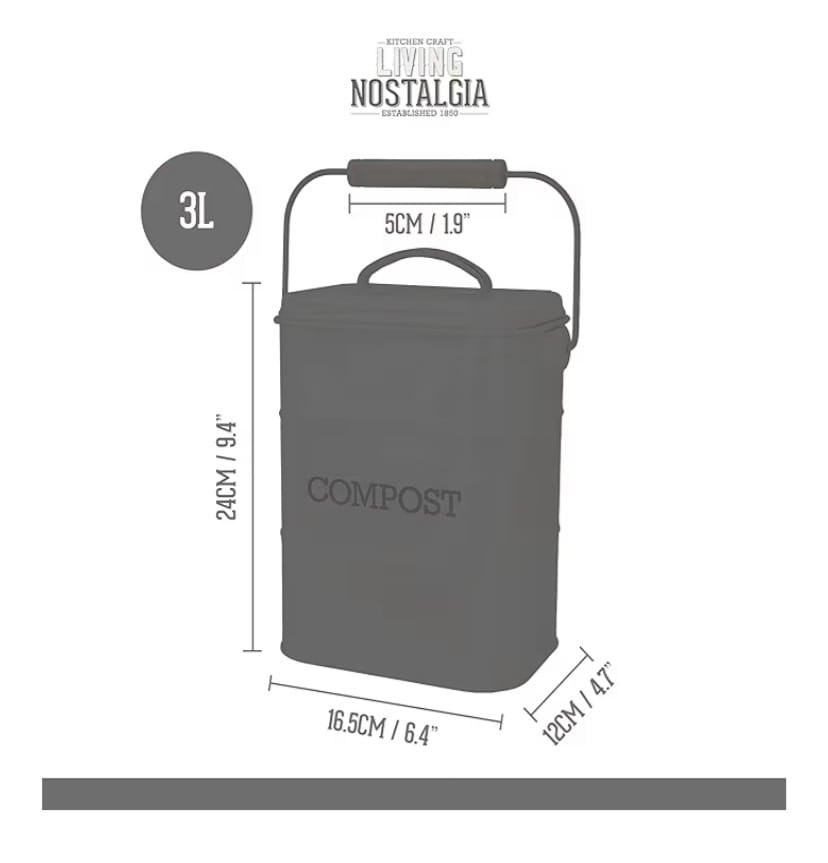
| Capacity | 1 to 2 gallons (3.8 to 7.5 liters) |
| Material | Stainless steel, ceramic, or BPA-free plastic |
| Odor Control | Activated charcoal filter |
| Lid Type | Airtight or vented with filter |
| Cleaning | Hand wash or dishwasher-safe (varies by model) |
| Weight | Lightweight (1–3 lbs approx.) |
| Dimensions | Compact design for countertop placement |
What is the Best Compost Bin for Countertops?
The best Countertop Compost Bin depends on your specific needs, kitchen space, and lifestyle. However, top-performing bins typically share a few key characteristics: durable construction, effective odor control, and user-friendly design.
For most households, a stainless steel compost bin with a charcoal filter is considered the best option. Stainless steel is resistant to rust, stains, and odors, making it ideal for long-term use. Additionally, bins with replaceable charcoal filters provide excellent odor control, allowing you to keep the bin on your countertop without concern.
If aesthetics are important, ceramic bins offer a stylish alternative that blends beautifully with modern kitchen décor. On the other hand, BPA-free plastic bins are lightweight and budget-friendly, making them a great choice for beginners.
Ultimately, the best compost bin is one that fits seamlessly into your daily routine—easy to use, easy to clean, and efficient in managing waste without unpleasant side effects.
Is It Cheaper to Buy or DIY a Compost Bin?
When deciding between buying or making your own Countertop Compost Bin, cost is an important factor—but it’s not the only one.
DIY compost bins can be cheaper upfront. You can repurpose containers like old jars, buckets, or food storage bins. However, these homemade solutions often lack essential features such as odor control, proper ventilation, and durability. As a result, they may require frequent replacement or additional modifications.
In contrast, store-bought compost bins are specifically designed for convenience and efficiency. While they may cost more initially, they offer long-term value through better materials, built-in filters, and user-friendly designs. This reduces maintenance effort and improves the overall composting experience.
In most cases, investing in a high-quality countertop compost bin is more cost-effective over time, especially if you value convenience, cleanliness, and reliability.
Call to Action – Get Your Countertop Compost Bin Today
Ready to transform your kitchen waste into something meaningful? A Countertop Compost Bin is the perfect first step toward a cleaner, greener, and more sustainable lifestyle.
Don’t miss the opportunity to upgrade your kitchen and reduce waste effortlessly. Get your Countertop Compost Bin now from Amazon and start making a positive impact today!
Start your journey toward eco-friendly living with a simple yet powerful change—shop now and experience the difference.
Conclusion and Future Insights
The Countertop Compost Bin is more than just a kitchen accessory—it’s a gateway to sustainable living. By simplifying the process of collecting and managing organic waste, it empowers households to reduce their environmental footprint without sacrificing convenience.
From its compact design and odor-control features to its ability to support home gardening and reduce landfill waste, this product delivers both practical and environmental benefits. Whether you’re a beginner exploring composting for the first time or an experienced eco-enthusiast, a countertop compost bin fits seamlessly into your daily routine.
Looking ahead, you can further enhance your sustainable lifestyle by exploring complementary products such as electric composters, smart kitchen devices, and indoor gardening systems. These innovations work together to create a fully integrated eco-friendly home.
Stay tuned for our upcoming guides on the best composting tools, smart home sustainability solutions, and innovative kitchen upgrades that will take your green lifestyle to the next level.
Frequently Asked Questions (FAQs)
- How often should I empty a countertop compost bin?
It’s recommended to empty the bin every 2–4 days to prevent odors and maintain cleanliness. - Can I keep a compost bin on my kitchen counter without smells?
Yes, most bins come with charcoal filters or airtight lids that effectively control odors. - What can I put in a countertop compost bin?
You can add fruit and vegetable scraps, coffee grounds, tea bags, eggshells, and other organic waste. - Do I need a large compost system to use this bin?
No, you can pair it with small outdoor composters, community programs, or electric composting devices. - Is a countertop compost bin suitable for small apartments?
Absolutely. Its compact size makes it ideal for limited spaces while still providing full functionality.
Eco-Friendly All-Purpose Cleaning Kit: 5 Essential Tools for a Zero-Waste Home
Is the Renogy Solar Panel Kit the Smart Energy Solution You’ve Been Searching For2025?

Adrian
Just like you, I was tired of paying crazy electricity bills every month. Today, after 4 years of trial and error, my smart home uses less than half the energy it used to. I share everything I’ve learned — so you don’t have to make the same mistakes.
Let’s Connect ↓
Adrian — Owner of EcoNex
Solar | Smart Home | Lower bills