Table of contents
Table of Contents
Introduction
Can I travel with a solar power bank? Yes, you absolutely can—and in today’s unpredictable world, you probably should. Whether you’re boarding a long-haul flight, heading into the desert, camping in remote mountains, or preparing for unexpected power outages, staying connected is no longer a luxury—it’s a necessity.
Modern travelers and households face one common challenge: running out of battery when it matters most. Smartphones, GPS devices, cameras, flashlights, and even emergency radios depend on reliable power. Traditional power banks work well, but what happens when there’s no outlet nearby?
This is where the Solar Power Bank for Emergency & Travel becomes a true game-changer. Designed to harness renewable solar energy while also supporting fast USB charging, this device offers freedom, security, and peace of mind. It allows users to stay powered during emergencies, outdoor adventures, and international travel—without relying solely on electricity.
In this in-depth guide, we’ll explore how a solar power bank works, why it’s ideal for emergencies and travel, and how it compares to traditional alternatives. If you value independence, safety, and sustainability, this product is built for you.
Get Solar Power Bank for Emergency & Travel now from Amazon and stay powered anywhere!
Don’t miss the chance to upgrade your emergency kit—buy now via Amazon!
Start your journey toward safety and energy freedom today.
What Is a Solar Power Bank for Emergency & Travel?
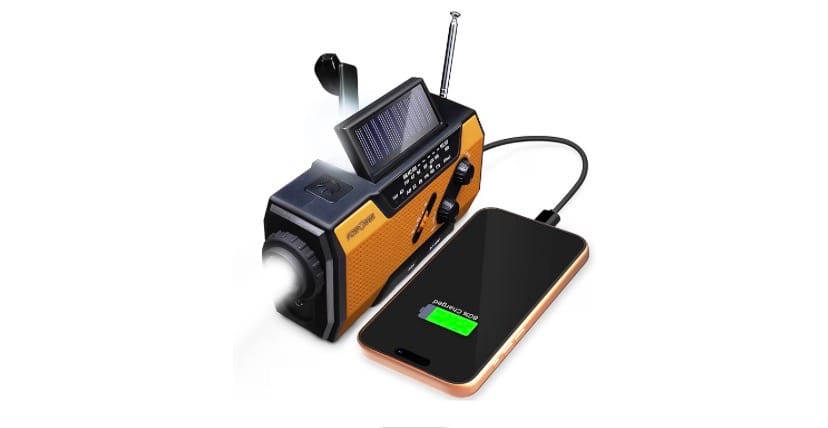
A Solar Power Bank for Emergency & Travel is a portable charging device equipped with built-in solar panels that convert sunlight into usable electrical energy. Unlike standard power banks that rely only on pre-stored power, solar power banks can recharge themselves using sunlight—making them especially valuable in outdoor or emergency situations.
At its core, the device combines three essential components:
- A high-capacity lithium battery for storing energy
- Solar panels for renewable charging
- Multiple output ports (USB-A, USB-C, sometimes wireless charging)
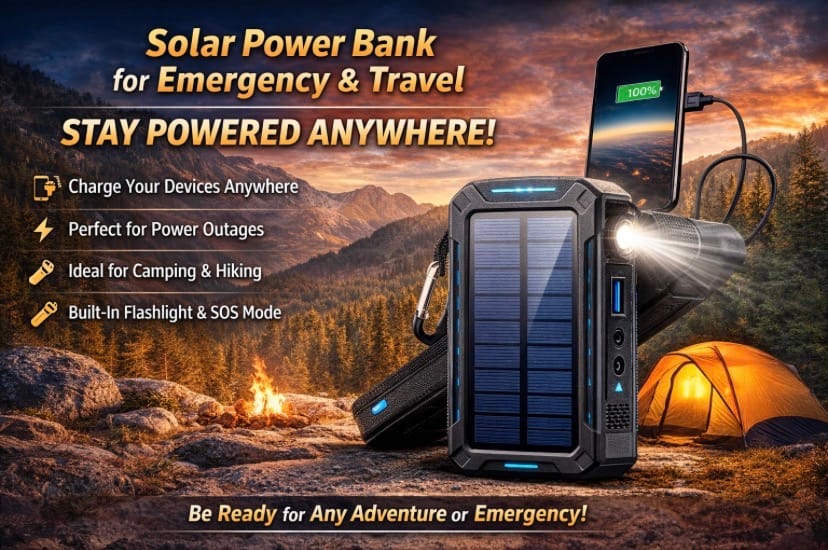
Most models are designed with travelers and emergency preparedness in mind. That means rugged, shock-resistant casings, water-resistant materials, and additional features such as built-in LED flashlights or SOS modes.
Using a solar power bank is simple. You can charge it in advance via a wall outlet or car charger, then let it recharge slowly under sunlight when you’re outdoors. This dual-charging capability ensures you always have backup power—whether you’re hiking, flying, camping, or facing a blackout at home.
In emergency scenarios like storms, earthquakes, or extended power outages, a solar power bank can keep essential devices alive for days. For travelers, it eliminates anxiety about finding charging points in airports, buses, or remote destinations.

Key Advantages of Solar Charging for Travelers and Emergencies
The true value of a Solar Power Bank for Emergency & Travel lies in its ability to provide independence. Unlike traditional chargers, it doesn’t tie you to infrastructure.
Solar charging offers:
- Energy availability in off-grid locations
- Reduced reliance on wall outlets
- Environmentally friendly power generation
- Reliable backup during emergencies
While solar charging is generally slower than wired charging, it is not meant to replace it—it complements it. Think of solar as your safety net: slow, steady, and always available when everything else fails.
For travelers crossing multiple countries or time zones, solar power banks reduce the need for adapters and converters. For families, they offer reassurance that communication devices remain operational when power grids go down.
This balance of convenience, sustainability, and preparedness makes solar power banks one of the smartest modern travel and emergency accessories available today.
Key Features of Solar Power Bank for Emergency & Travel
The Solar Power Bank for Emergency & Travel stands out because it is designed for reliability, versatility, and real-world usage. Below is a detailed breakdown of its most important features and how each one adds value to your daily life, travels, and emergency preparedness.
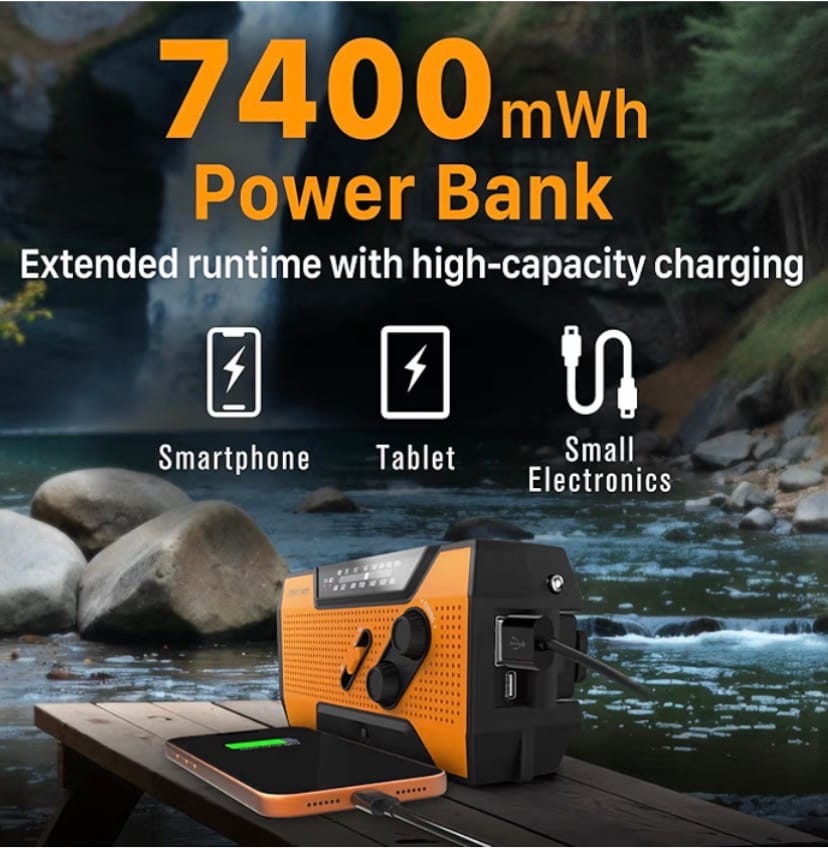
- High-Capacity Battery: Most solar power banks are equipped with large-capacity batteries, often ranging from 20,000mAh to 30,000mAh or more. This allows users to charge smartphones multiple times, power tablets, GPS devices, Bluetooth speakers, and even small emergency equipment without worrying about running out of energy quickly.
- Built-In Solar Panels: The integrated solar panels allow the power bank to recharge using sunlight. While solar charging is slower than wired charging, it provides an essential backup energy source when electricity is unavailable, making it ideal for camping, hiking, and emergency situations.
- Multiple Charging Ports: Most models include several USB-A ports, USB-C fast charging, and sometimes wireless charging. This enables users to charge multiple devices simultaneously, saving time and increasing efficiency during travel or emergencies.
- Fast Charging Technology: Advanced power banks support fast-charging standards, delivering optimized power output to compatible devices. This means shorter charging times for smartphones and other electronics, even when using stored solar energy.
- Rugged and Durable Design: Designed for outdoor use, solar power banks often feature shockproof, dustproof, and water-resistant casings. This makes them reliable companions in harsh environments such as deserts, mountains, beaches, and during natural disasters.
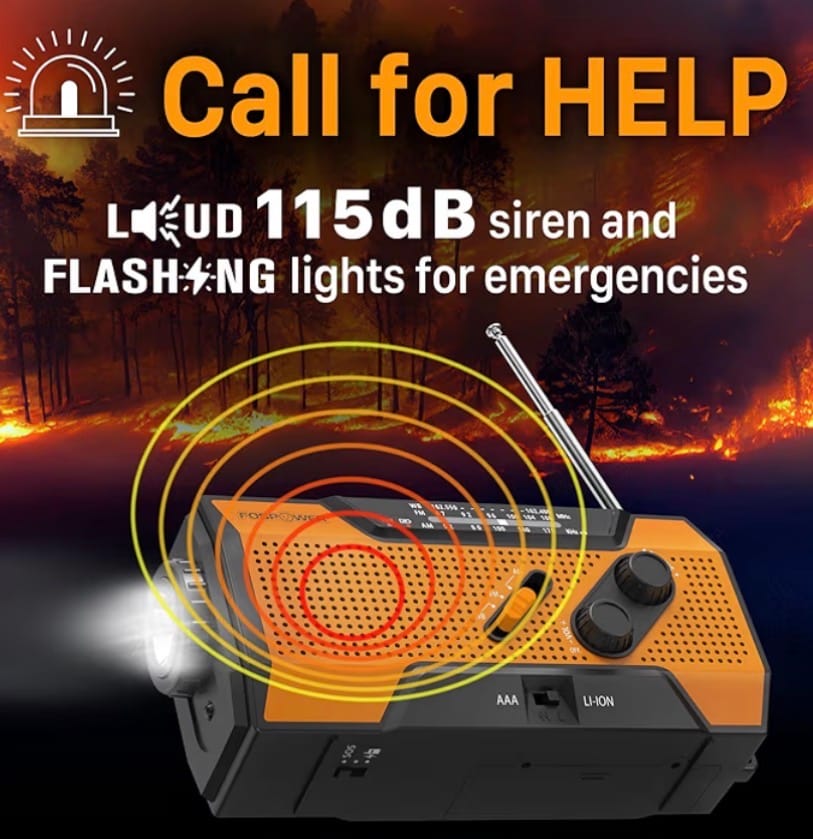
- Built-In LED Flashlight: Many models include a powerful LED flashlight with multiple modes, including steady light, flashing, and SOS. This feature is invaluable during night travel, camping, or emergency situations where visibility and signaling are critical.
- Compact and Portable: Despite their high capacity, solar power banks are designed to be portable. Carabiner clips, slim profiles, and lightweight materials make them easy to attach to backpacks or store in luggage.
- Eco-Friendly Energy Solution: By utilizing renewable solar energy, this product helps reduce dependence on fossil fuels and traditional electricity sources, aligning with sustainable and eco-conscious lifestyles.
Practical User Guide: How to Use a Solar Power Bank for Emergency & Travel
Using a Solar Power Bank for Emergency & Travel is straightforward, but understanding the best practices ensures optimal performance and longevity.
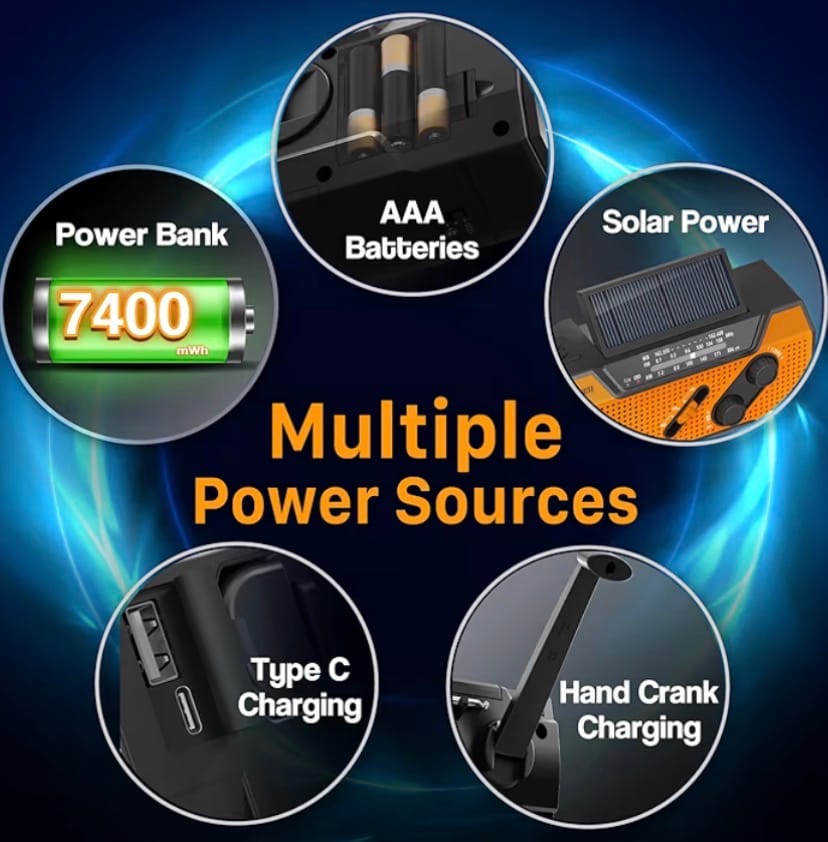
Step 1: Initial Charging
Before first use, fully charge the power bank using a wall outlet or car charger. This ensures the battery is calibrated correctly and ready for solar backup charging later.
Step 2: Solar Charging Setup
When outdoors, place the power bank under direct sunlight with the solar panels facing the sun. For best results, avoid shade and cloudy conditions. Attach it to your backpack while hiking to maximize sun exposure throughout the day.
Step 3: Charging Your Devices
Connect your device using the appropriate cable or enable wireless charging if supported. The power bank automatically detects the required output for safe and efficient charging.
Step 4: Managing Multiple Devices
If charging multiple devices, prioritize essential electronics such as phones, GPS units, or emergency radios. This ensures optimal power distribution during critical moments.
Step 5: Using the LED Flashlight
Activate the built-in flashlight using the designated button. Switch between modes depending on your needs—steady light for visibility or SOS mode for emergencies.
Step 6: Safe Storage and Maintenance
After use, store the power bank in a cool, dry place. Avoid prolonged exposure to extreme heat when not actively solar charging. Periodically recharge the battery to maintain long-term performance.
By following these steps, users can maximize efficiency, extend battery lifespan, and ensure reliable power whenever it’s needed.
Benefits of Solar Power Bank for Emergency & Travel in Daily Life and at Home
The Solar Power Bank for Emergency & Travel is not limited to outdoor adventures or extreme situations. In reality, it plays a powerful role in improving everyday life, increasing safety, and providing peace of mind at home, at work, and on the move.
One of the most significant benefits is energy independence. Power outages, whether caused by weather, infrastructure failures, or maintenance, can disrupt daily routines. With a solar power bank, you maintain access to essential devices such as smartphones, Wi-Fi hotspots, flashlights, and emergency radios—even when the grid goes down.
For families, this means staying connected with loved ones during emergencies. For professionals, it means avoiding productivity loss when devices suddenly run out of power. For students, it ensures uninterrupted access to learning tools.
Another major advantage is time efficiency. Instead of searching for power outlets in public places, airports, or cafes, users can charge their devices anywhere. This is especially valuable for frequent travelers, ride-share drivers, delivery workers, and remote employees.
From a financial perspective, the Solar Power Bank for Emergency & Travel reduces long-term electricity costs by supplementing traditional charging with solar energy. Over time, this small shift contributes to noticeable savings, especially for users who rely heavily on mobile devices.
Safety is another key benefit. The built-in flashlight and SOS modes provide visibility and signaling during night travel, roadside breakdowns, or emergency situations. In homes, it serves as a reliable backup lighting source during blackouts.
Lastly, there is the environmental impact. By using renewable solar energy, users actively reduce their carbon footprint. This makes the solar power bank an excellent choice for eco-conscious individuals who want practical sustainability without sacrificing convenience.
User Stories and Real-Life Experiences
Real-world usage demonstrates why the Solar Power Bank for Emergency & Travel has become a must-have device for modern lifestyles.
Outdoor Enthusiast Scenario: A hiker traveling through remote trails relied on a solar power bank to keep their GPS and smartphone powered for navigation. By attaching the device to their backpack, it continuously charged throughout the day, ensuring reliable access to maps and emergency contacts.
Family Emergency Scenario: During a multi-hour power outage caused by a storm, a family used their solar power bank to keep phones charged and power a small emergency light. The device provided reassurance and communication when electricity was unavailable.
International Traveler Scenario: A frequent traveler crossing multiple countries avoided the hassle of carrying multiple adapters. The solar power bank served as a universal charging solution in airports, trains, and outdoor locations.
Everyday Professional Scenario: A rideshare driver used the power bank to keep their phone running during long shifts. The ability to recharge without relying on the car battery increased reliability and reduced stress.
These stories highlight the versatility of the product. Whether for adventure, work, or emergencies, the Solar Power Bank for Emergency & Travel consistently delivers value and peace of mind.
Top 5 Tips to Use Solar Power Bank for Emergency & Travel Effectively
To get the best performance from your Solar Power Bank for Emergency & Travel, it’s important to use it strategically. These practical tips will help you maximize efficiency, extend battery life, and ensure reliable power whenever you need it.
- Pre-Charge Before Any Trip or Emergency: Always fully charge the power bank using a wall outlet before traveling. Solar charging should be treated as a backup, not the primary source, especially in time-sensitive situations.
- Use Solar Charging in Direct Sunlight: For optimal solar efficiency, place the power bank in direct sunlight without obstructions. Angling the solar panels toward the sun significantly improves charging performance.
- Prioritize Essential Devices: During emergencies, focus on charging critical devices such as smartphones, GPS units, or emergency radios first. Avoid unnecessary energy drain from non-essential electronics.
- Keep the Device Clean and Dry: Dust, sand, or moisture on solar panels can reduce charging efficiency. Regularly clean the surface and ensure ports are dry before use.
- Store Properly When Not in Use: Keep the power bank in a cool, dry place and recharge it every few months. This maintains battery health and ensures it’s always ready when needed.
Common Mistakes When Using a Solar Power Bank and How to Avoid Them
Despite its simplicity, users often make mistakes that reduce the effectiveness of a Solar Power Bank for Emergency & Travel. Understanding these errors helps avoid frustration and power loss.
- Relying Solely on Solar Charging: Solar charging is slow by nature. Always combine it with wired charging whenever possible to ensure sufficient stored power.
- Leaving the Device in Extreme Heat: Prolonged exposure to high temperatures can degrade battery performance. Use solar charging only as needed and avoid unnecessary heat exposure.
- Charging Power-Hungry Devices Continuously: Devices like tablets or cameras consume more energy. Balance usage to prevent rapid battery depletion.
- Ignoring Battery Maintenance: Letting the power bank sit unused for long periods without recharging can shorten its lifespan. Periodic charging is essential.
Innovative Ways to Combine a Solar Power Bank with Other Devices
The Solar Power Bank for Emergency & Travel becomes even more powerful when paired with complementary devices, creating a flexible and efficient energy ecosystem.
One innovative approach is combining it with a portable Wi-Fi hotspot. This setup ensures uninterrupted internet access during travel or emergencies, even when traditional power sources fail.
Pairing the power bank with solar-powered lights or rechargeable lanterns creates a complete emergency lighting solution for homes and outdoor spaces.
Another effective combination is using the power bank alongside wearable tech such as smartwatches or fitness trackers, keeping health and navigation tools active during long trips.
For outdoor enthusiasts, combining it with a portable camping fan or mini cooler adds comfort while remaining energy-efficient.
These integrations highlight how a single solar power bank can become the backbone of a reliable, mobile power system.
Comparison with a Similar Product
To better understand the value of the Solar Power Bank for Emergency & Travel, let’s compare it with a traditional high-capacity power bank that does not support solar charging.
| Feature | Solar Power Bank for Emergency & Travel | Traditional Power Bank |
|---|---|---|
| Charging Method | Solar + USB Charging | USB Charging Only |
| Emergency Readiness | Excellent (Off-grid capable) | Limited |
| Outdoor Use | Ideal for camping & travel | Not suitable |
| Built-in Flashlight | Yes (SOS mode) | No |
| Eco-Friendly | Uses renewable solar energy | Depends on electricity |
| Average Price | Mid-range | Low to Mid-range |
| Amazon Link | View on Amazon | Varies by model |
This comparison clearly shows that while traditional power banks are useful for daily use, the Solar Power Bank for Emergency & Travel offers unmatched reliability in emergencies and outdoor environments.
Technical Specifications of Solar Power Bank for Emergency & Travel
| Specification | Details |
|---|---|
| Battery Capacity | 20,000mAh – 30,000mAh (varies by model) |
| Charging Inputs | USB, Solar Panel |
| Output Ports | USB-A, USB-C, Wireless (select models) |
| Solar Panel Type | High-efficiency monocrystalline |
| Water Resistance | Splash and dust resistant |
| Additional Features | LED Flashlight, SOS Mode, Fast Charging |
| Best Use Cases | Emergency, Travel, Camping, Outdoor Activities |
Frequently Asked Questions (FAQ)
What is the best power bank for emergencies?
The best power bank for emergencies is one that combines high battery capacity, durability, and alternative charging options. A Solar Power Bank for Emergency & Travel is ideal because it can recharge using sunlight when electricity is unavailable.
Which is the best solar-powered power bank?
The best solar-powered power bank offers efficient solar panels, multiple charging ports, fast charging support, and rugged design. Models designed specifically for emergencies and travel provide the most reliable performance.
Can I travel with a solar power bank?
Yes, solar power banks are generally allowed for travel, especially in carry-on luggage. Always check airline battery capacity regulations before flying, but most standard models are travel-friendly.
Call to Action: Get Your Power Anywhere, Anytime
Don’t wait for the next power outage or travel emergency to realize how important reliable energy is. The Solar Power Bank for Emergency & Travel gives you independence, safety, and peace of mind wherever life takes you.
Get Solar Power Bank for Emergency & Travel now from Amazon and stay powered anywhere!
Don’t miss the chance to upgrade your emergency kit—buy now via Amazon!
Start your journey toward safety and energy freedom today.
Conclusion and Future Reading
The Solar Power Bank for Emergency & Travel is more than just a charging device—it’s a reliable companion for modern life. From everyday convenience to emergency preparedness, it delivers consistent power, security, and sustainability.
By investing in solar-powered solutions, you take a step toward independence and eco-conscious living. This product pairs perfectly with other travel and emergency essentials such as portable Wi-Fi hotspots, solar lights, and emergency radios.
Stay tuned for upcoming articles where we explore complementary products that enhance safety, mobility, and smart living. Your journey toward smarter, safer energy starts here.
See more articles
Is the Jackery SolarSaga the Solar Upgrade Your Outdoor Adventures Have Been Missing2025?
How Does a Solar Motion Sensor Outdoor Light Transform Your Home Security and Outdoor Living2026?

Adrian
Just like you, I was tired of paying crazy electricity bills every month. Today, after 4 years of trial and error, my smart home uses less than half the energy it used to. I share everything I’ve learned — so you don’t have to make the same mistakes.
Let’s Connect ↓
Adrian — Owner of EcoNex
Solar | Smart Home | Lower bills